

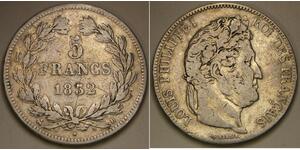
| Louis Philippe I of France (1773 -1850) | Link to Wikipedia |
Louis Philippe I (1773–1850): History and Coinage
In French history, Louis Philippe holds a unique position as both a royal monarch and a constitutional figure of his time. Born in 1773 into the Orléans branch of the House of Bourbon, he ruled France from 1830 until his forced abdication during the Revolution of 1848. His reign is studied for its moderation between absolute monarchy and republican democracy.
Louis Philippe spent early adulthood in exile following the execution of King Louis XVI by revolutionary forces. He only returned to power after forcing Charles X off the throne through the July Monarchy. This political shift significantly altered how he was depicted on currency, moving away from divine right imagery toward a more modern industrial identity.
The Numismatic Legacy
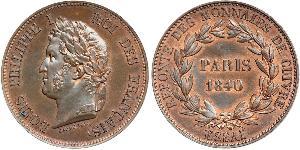
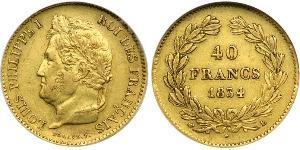
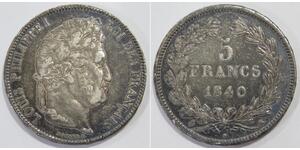
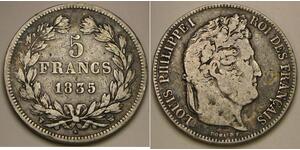
Louis Philippe appears primarily on coins struck between 1830 and his abdication in 1848. Unlike earlier monarchies that utilized classical or religious symbols heavily, his coinage reflected the economic focus of an industrial nation. Collectors will find portraits featuring him on copper farthings, silver francs, and gold pieces issued by major mints.
The decision to place his likeness upon currency stemmed from sovereign protocols required during times of authority transitions following 1792. As a ruler who ascended immediately after Charles X’s flight due to unrest, Louis Philippe sought legitimacy through stability rather than traditional absolutism. While he was exiled in the United Kingdom for much of his youth and returned later, his portrait remained consistent with French republican standards while maintaining royal dignity.
Rationale for Value
Beyond market worth, these specimens offer insight into a specific epoch where industrialization met monarchy. The design quality varies across years and mints such as Paris or Strasbourg which were active in metal distribution at that time.
- Copper issues often feature high mint marks or scarce production relative to gold standards of the era.
- Educational Value: These pieces illustrate political stability through monetary design, offering insight into economic conditions affecting the nation during his rule.
Scholars and hobbyists appreciate these medals as historical artifacts that bridge significant gaps in French numismatics. By examining these coins, collectors engage directly with the era of the July Monarchy without needing a formal academic background to understand their context. Exploring this period deepens appreciation for how currency serves not just as trade medium but also as propaganda during political transformations.


