| Louis II Prince of Monaco (1870-1949) | Link to Wikipedia |
Louis II, Prince of Monaco (1870-1949): History and Coinage
Louis Honoré Charles Antoine Grimaldi stands as a pivotal figure in microstate history during an era of shifting continental powers. Born outside the Principality in Baden-Baden to Albert I, he spent his youth traversing Germany and Algeria before reuniting with Monaco following military service. His reign began upon his father's death on June 26, 1922, marking a transition period between traditional aristocratic rule and modern geopolitical realities.
Beyond the political challenges of succession laws requiring French approval under international treaties, Louis II left an enduring cultural mark by championing sports infrastructure and arts. He established the Monaco Football Club and oversaw the construction of the first Grand Prix stadium in 1929. However, his later years were complicated by global conflicts; he navigated a tense period where France held influence over succession matters to prevent foreign inheritance. While occupied during World War II, this era is often remembered for its complex diplomatic standing within French borders.
The Relationship to Coinage
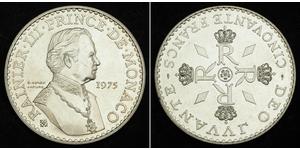
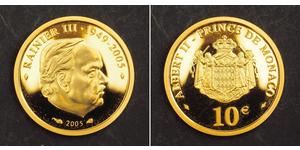
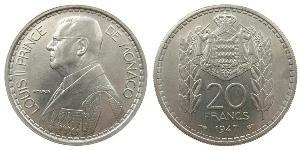
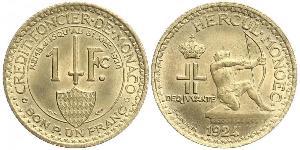
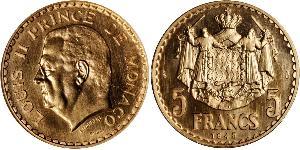
Louis II appears prominently on the official currency issued by Monaco between 1924 and his death in 1949. These sovereign pieces were minted primarily from silver, gold, and bronze denominations used for circulation within the principality. Unlike larger empires where coinage often depicted a specific ideology or deity, Monegasque coins featured the Prince's portrait alongside heraldic motifs like castles or laurels. The imagery reflected his military background in French insignia while maintaining national independence.
The historical context of these pieces is unique; because succession was heavily influenced by the Treaty with France, currency production operated within a framework that balanced local identity with international diplomatic constraints. Most coins bear effigies from during his lifetime, though some were minted to mark specific anniversaries or reign jubilees before he died on May 9, 1949.
Why Collectors Value These Coins
Numismatists are drawn to this era for several reasons. The scarcity of Monegasque silver and gold coins from the interwar period compared to major powers like France or Britain makes them highly sought after in specialized cabinets. Every piece carries a narrative, linking physical metal directly to a sovereign who served as a brigadier general while leading a monarchy.
Rarity plays a significant role; many denominations had low mintage counts due to economic fluctuations of the 1930s and early war years. Additionally, these coins offer a rare glimpse into monetary systems where small states relied on foreign approval for internal sovereignty decisions. For collectors focusing on modern history or European numismatics, acquiring Louis II pieces provides a tangible connection to the geopolitical tensions of mid-twentieth-century Europe without requiring an expert-level knowledge of complex treaties.