| Louis II, Grand Duke of Hesse | Link to Wikipedia |
Louis II, Grand Duke of Hesse (1777–1848): History and Coinage
Louis II, Grand Duke of Hesse and by Rhine stands among the notable figures of nineteenth-century German statesmanship. Born in Darmstadt during an era when Europe was redefining its political boundaries, his reign marked a pivotal transition period for Central European governance. His life spanned turbulent times from the Napoleonic legacy to the sweeping revolutions that reshaped monarchical authority across Germany. While often characterized as disinterested and conflict-prone with parliamentary factions due to financial disputes and conservative ideology, he represents an era where local sovereignty clashed rapidly against rising liberal sentiments.
Relationship to Coinage
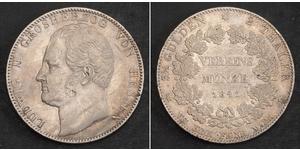
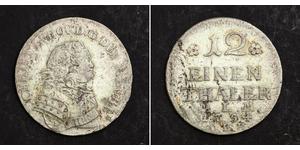
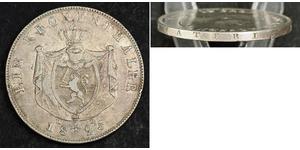
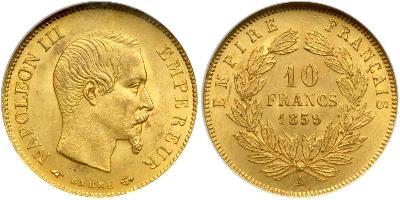
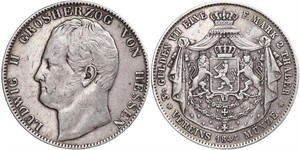
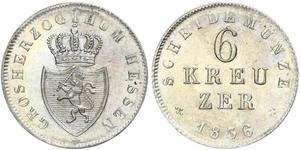
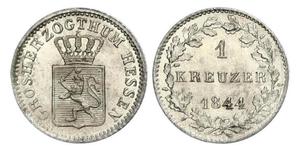
Coinages bearing the likeness of Grand Duke Louis circulated primarily within the currency systems of Hesse-Darmstadt before its integration into a larger German Empire. During his tenure from 1830 until his death in 1848, these states minted sovereign pieces featuring royal portraits alongside civic symbols like coats of arms and national mottos.
- These issues were not merely utility for trade but tangible tokens of state authority issued by the duchy before full German unification occurred under a centralized empire later that century.
- Coinage featured his official titles, emphasizing Hessian rule continuity even as domestic unrest threatened his throne following the uprisings in Upper Hesse which he delegated to Prince Emil.
The imagery reflected his official titles and status within the European court system. Collectors examine these pieces to understand how smaller states maintained distinct artistic styles while sharing monetary standards with their Prussian neighbors, particularly before the German Empire was proclaimed.
Why Collectors Value These Coins
Enthusiasts and historians alike prize these pieces for compelling reasons that transcend simple market valuation. First they offer a direct glimpse into regional iconography prior to the homogenized styles of the German Empire era where many states adopted similar designs.
- Rarity often stems from specific mintage periods interrupted by political crises such as 1848 uprisings when distribution was halved or coinage redesigns occurred rapidly.
Furthermore coins depicting Louis provide a physical anchor for historical narratives regarding the revolutions of 1848; his eventual abdication is captured not just in texts but through altered coinage that reflects political shifts immediately following his passing.
For beginner collectors interested in German numismatics these issues represent an essential bridge between medieval feudal states and modern nation-states. Exploring them encourages deeper investigation into how European aristocracy transitioned from personal rule to constitutional monarchy within state boundaries like Hesse-Darmstadt specifically during a time when Europe redefined its political landscape.