


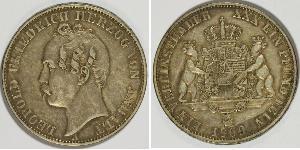
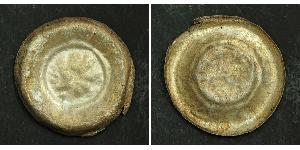
| Leopold IV, Duke of Anhalt (1794 – 1871) | Link to Wikipedia |
Leopold IV Frederick, Duke of Anhalt (1794 – 1871): History and Coinage
Historical Significance
Lieopold IV stood as a central figure in the German nobility during an era defined by transformation. Born into the House of Ascania, his life spanned nearly eight decades witnessing the fragmentation of the Holy Roman Empire evolve toward modern nation-states.
Ruler over Anhalt-Dessau for three and four decades before unification with Köthen in 1853, he played a significant role in stabilizing regional economies. His reign coincided with major political shifts across Europe following the Napoleonic Wars. During these turbulent times, Leopold demonstrated steady leadership by granting limited constitutional reforms during revolutionary periods to maintain public trust and economic prosperity.
The consolidation of his territories culminated shortly before German unification in 1871, marking him as a guardian of local traditions while adapting to changing national tides. As the final Duke of Anhalt under that name structure until his death decades later in Dessau, he left an enduring legacy within East Germany.
The Numismatic Record
Lieopold's governance is preserved not only in historical text but also in metallic form through coins minted during the 1850s and 60s. Local mints struck denominations such as silver thalers intended for trade between Prussia and Hanover neighbors.
- Lifetime Issues: Most standard coinage circulated while he personally ruled, depicting his initials or likeness to validate currency value against state backing.
- Mint Locations: The primary production centers were located within the capital city of Dessau and regional branches like Köthen after 1853.
Nuismatic Appeal
Scholars of numismatics find particular value in these older German issues due to their scarcity compared to later imperial coinage. The preservation quality required to remain attractive is vital for collectors examining the state structure before full unification.


