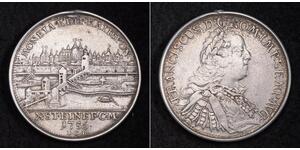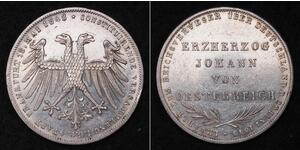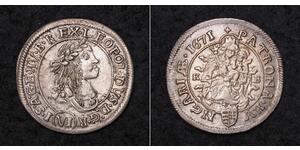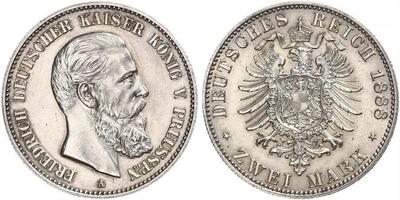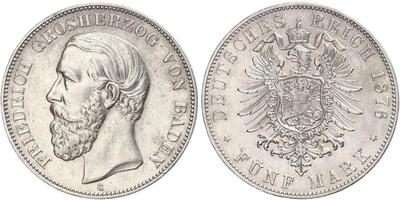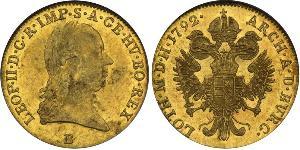
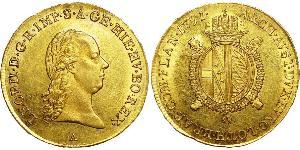
| Leopold II, Holy Roman Emperor (1747 - 1792) | Link to Wikipedia |
Leopold II (1747–1792): History and Coinage
Introduction:
Leopold II stands as a pivotal figure in the transition from traditional monarchy toward modern governance in late-eighteenth-century Europe. While often overshadowed by his famous brother Joseph or sister-in-law Marie Antoinette, he remains a transformative sovereign within Austria and Italy during the Enlightenment period.
The Man of Reform
Historical Biography:
Born in Vienna in 1747 to Empress Maria Theresa, Leopold ascended to power as Grand Duke of Tuscany at a time when his father and older brother were managing the larger Habsburg territories. Unlike many contemporaries who relied on military expansion, he became renowned for humanitarian policies that aligned with Enlightenment philosophy.
Key Achievements:
- Abolition of Capital Punishment: On November 30, 1786, during his rule in Tuscany, Leopold legally abolished the death penalty and ordered the destruction of instruments used for execution.
- Social Welfare Reforms: He introduced legislation to protect mental patients from chains and physical punishment, establishing early institutions for medical care.
- Economic Rationalization: As Grand Duke, he removed ruinous restrictions on industry left by the Medici family, fostering economic growth through public works projects like draining swamplands in Valdichiana.
Relationship to Coinage
Circulation Context:
Numerary evidence of his reign primarily appears on the currency issued during two distinct phases. First, coins from his administration as Grand Duke of Tuscany reflect a period of local autonomy and reform before 1790. Following the death of Joseph II in Vienna, Leopold became Holy Roman Emperor for a brief but significant two-year tenure.
Ideal Representation:
Coinage minted during his reign often depicted him with classical attributes rather than military armor. This imagery was deliberate; it served to visually communicate the administration's focus on rational law, science, and human rights over traditional martial warfare. These coins were intended to validate a new style of rule where sovereign power was exercised through benevolent governance rather than fear.
Why Collectors Value These Coins
Numerary Significance:
For numismatists, these pieces represent the intersection of art and political history. Because his imperial reign in Vienna was short, high-volume Austrian silver issues are rarer than earlier issues from predecessors like Francis I or Joseph II.
Educational Value:
- Rarity: The scarcity associated with a brief coronation contrasts sharply with decades of earlier Tuscan rule, making them distinctive additions to Habsburg sets.
- Social Context: Collectors value these coins for their ability to document the shift in societal values before the Napoleonic upheavals. They reflect a monarch who balanced tradition with progressive legislation, proving that currency mirrored evolving social ideals like civil rights and scientific advancement.
In summary, Leopold II's numismatic legacy provides tangible proof of an era where monarchical authority adapted to principles of human dignity. For history enthusiasts seeking pieces beyond simple war trophies or conquest medals, these coins offer a unique window into the Enlightenment spirit that permeated Central Europe before 1800.