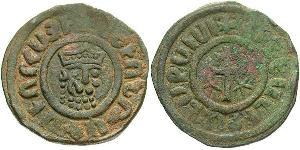

| Leo I, King of Armenia (1150-1219) | Link to Wikipedia |
Leo I (1150 – 1219): History and Coinage
Lord of Armenian Cilicia later crowned as Leo the Magnificent, stands as a pivotal figure in medieval southeastern European history. Born around 1150 to Stephen, son of the previous lord, his early life was marked by tragedy when his father was murdered in 1165 during an attendance on a Byzantine governor’s banquet. Despite these turbulent beginnings involving rivalries with assassinated uncles and captured brothers, Leo consolidated power in Cilicia following significant political upheavals starting as late as 1187.
Beyond his military successes against the Tadjiks and Turks during an era dominated by Saladin's campaigns for Jerusalem, Leo’s reign is defined by a decisive shift from feudal lordship to crowned monarchy. His coronation in Hagia Sophia at Tarsus transformed him into one of very few Eastern monarchs with full regnal status recognized alongside Western European kings.
The Evolution of Royal Imagery
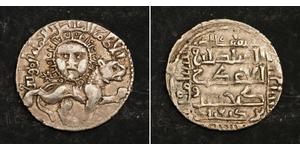
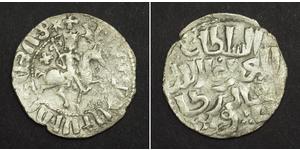
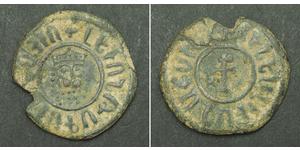
In the context of numismatics, Leo I represents a fascinating transition point. The coinage issued during his tenure reflects the elevation from Barony to Kingdomhood. While many medieval Eastern coins prioritized religious iconography over portraits, the legitimacy granted by Leo’s coronation often influenced legends stamped on currency.
Coin collectors are particularly interested in specimens minted after 1198 because they signify a political shift where Cilician Armenia asserted sovereignty against surrounding Seljuk and Latin powers. The decision to place royal titles rather than generic baronage ranks onto metal was a rare diplomatic declaration of independence. Furthermore, his generous aid to the Third Crusade ensured that these coins circulated among Western knights as well as local populations.
The Appeal for Collectors
Museum curators often highlight this specific period in Armenian history because it bridges Islamic and Latin worlds without direct conflict between Leo's lands. Coins bearing his reign are sought not merely for their rarity, which is standard among early medieval issues from the region, but for their historical weight.
- Sovereignty: The legends on these pieces mark a definitive break with Byzantine vassalage models of that century.
- Rarity and Integrity: Due to the limited duration between his coronation as King rather than Baron, high-grade specimens representing this specific era remain relatively uncommon compared to later Armenian mints.
Studying these artifacts allows enthusiasts to understand how a regional prince became an international player within the Crusader economy. The coins serve as portable history, documenting Leo's benevolent rule and his strategic alliances with Cyprus and Jerusalem at a time when much of Europe was redefining its political boundaries.