| Leo III (685-741) | Link to Wikipedia |
Leo III the Isaurian (c. 685 – 741): History and Coinage
Introduction: The Savior of Byzantium
Welcome to a glimpse into one of the most resilient periods in our ancient world's history. Leo III, who reigned as emperor from 717 until his death in 741, stands as a pillar of continuity for the Eastern Roman Empire. His historical significance rests on two monumental achievements: he halted the catastrophic territorial losses and political instability that plagued the realm during previous decades known as the Twenty Years' Anarchy. Furthermore, Leo successfully repelled a massive Arab siege of Constantinople in 718 using innovative defense methods such as Greek fire.
The Numismatic Context
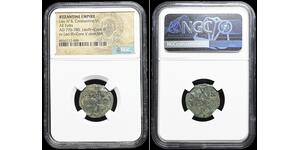
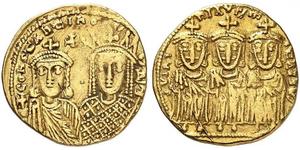
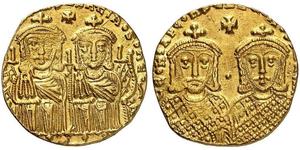
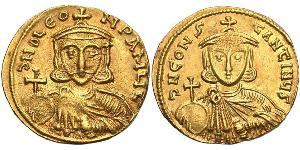
In the world of numismatics, coins bearing the portrait of Leo III are issued exclusively by the Byzantine Empire. Unlike emperors from earlier centuries who might mint multiple types across vast territories simultaneously, this period was defined by strict imperial control over currency and doctrine.
- The coinage primarily consisted of gold solidi or silver folles that circulated throughout Anatolia and Greece.
- Minting occurred during Leo's lifetime as a means to assert legitimacy after he seized power through military force in Constantinople rather than dynastic inheritance.
The decision to place the emperor on coinage served multiple purposes. First, it reinforced his authority over regional governors and military themes across the vast geography of the province. Second, Leo's portrait marked a significant shift in artistic standards during an era where religious iconography became politically sensitive due to later Iconoclastic policies he championed.
Why Collectors Value These Issues
The appeal for coin enthusiasts stems from several unique historical factors. Firstly, these coins represent the transition of power following the deposition of Justinian II and Theodosius III. For collectors specializing in the Isaurian dynasty, they offer a tangible connection to the moment when Byzantium nearly collapsed but was revived through Leo's leadership.
Rarity is another key attraction. While standard solidi are common from later emperors like Constantine V, issues from the early 720s that predate major stylistic shifts caused by religious controversy hold significant historical value. Additionally, coins minted after his death often depict him with imperial regalia similar to Heraclius or Justinian II before them.
In conclusion, Leo III's coinage is not merely a medium of exchange but a testament to the survival of Western European civilization and Christian Europe through its eastern counterpart. Collectors are drawn to these pieces because they encapsulate the resilience required when facing existential threats at the gates of Constantinople itself. Each specimen tells a story of military defense, economic centralization, and the enduring power of imperial authority.