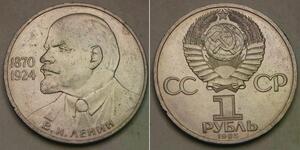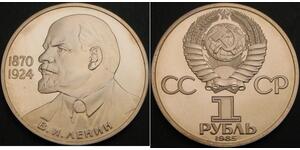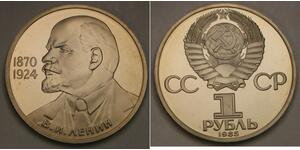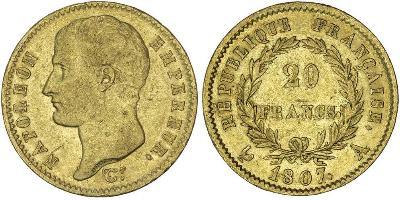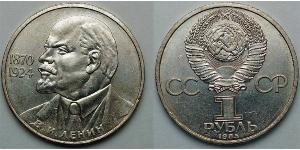
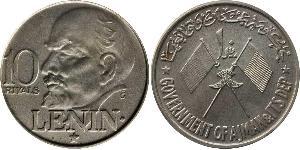
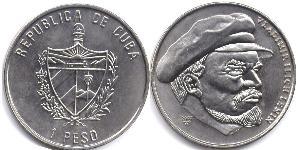
| Lenin (1870 - 1924) | Link to Wikipedia |
Vladimir Lenin (1870–1924): History and Coinage
Vladimir Ilyich Ulyanov, widely known by the pseudonym Vladimir Lenin, was a pivotal figure in 20th-century political history. Born on April 22, 1870, he emerged as the leader of the Bolsheviks following his expulsion from Kazan Imperial University over student protests and exiles to Siberia.
Leningrad became the first head of government for Soviet Russia in 1917 after the October Revolution. This event marked a dramatic geopolitical shift ending imperial rule, establishing communist governance through centralization under the Communist Party. He navigated complex challenges during World War I and the subsequent Civil War, including signing treaties to withdraw from conflict and implementing the New Economic Policy in 1921 to stabilize national economics.
The Numismatic Legacy
Around his death on January 21, 1924, Lenin became a central figurehead for the new regime. During Stalin's era, a pervasive personality cult developed within the Soviet Union, elevating him to an ideological symbol of Marxism-Leninism.
- Institutional Issues: Following his passing, state entities and specialized diplomatic bureaus issued commemorative coins and medallions bearing his portrait.
- Timing: Unlike monarchs from earlier centuries whose images graced currency during their reigns, Lenin's depiction occurred almost exclusively posthumously, primarily under the Soviet regime and sometimes via foreign sovereign issues honoring revolutionary movements.
- Purpose of Depiction: His image served to project state authority domestically while signaling ideological alignment internationally. These metal artifacts often appeared alongside symbols such as wheat ears or industrial machinery on early 20th-century designs representing economic transformation.
Collecting Interest and Historical Value
Coin collectors seeking specimens of this period are drawn to these items for several reasons. First, the historical context is significant; each piece represents a snapshot of Soviet propaganda artistry during critical periods like 1940s or early 1970s. High-grade examples provide insight into manufacturing capabilities and distribution reach in Eastern Europe.
Rarity also plays a role. Early post-revolutionary metal issues were often minted with lower quantities compared to standard circulation denominations, creating scarcity for those preserving their original luster or striking quality. Additionally, these items are essential components of specialized collections focusing on Soviet currency history and the transition from Imperial to Socialist monetary systems.
The study of Lenin's commemorative metalwork remains a vital educational tool, offering enthusiasts tangible artifacts that connect physical objects with broader historical narratives regarding governance shifts in Russia.