| Ladislaus the Posthumous of Hungary (1440 -1457) | Link to Wikipedia |
Ladislaus the Posthumous (1440–1457): History and Coinage
The Contested Throne
Welcome to a study of Ladislaus V, whose brief reign encapsulates one of the most complex political periods in medieval Central Europe. As the posthumous son of Albert II and Elizabeth of Luxembourg, he represented the final hope for hereditary Habsburg rule over Austria, Hungary, Croatia, and Bohemia. His childhood was defined by a precarious succession crisis; while Austrian estates accepted his inheritance immediately following their father’s death on 27 October 1439, Hungarian nobility feared Ottoman expansion and offered the crown to Władysław III of Poland instead.
This geopolitical tension defines much of Ladislaus’s adult life. He was crowned king in Székesfehérvár at just seven months old by his mother before even seeing his father's deathbed will fully realized, yet that coronation initially lacked the Diet of Hungary's validation. For years he lived within Frederick III’s court rather than ruling independently, with actual administration often managed by regents like John Hunyadi and George of Poděbrady in Bohemia. His eventual reunification of authority was fleeting; his last moments came not from military conquest but a mysterious death in Prague.
A Legacy on Metal
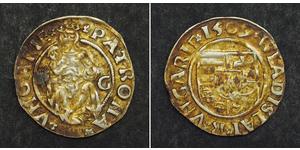
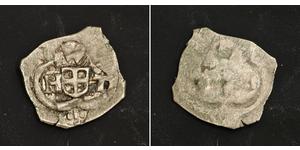
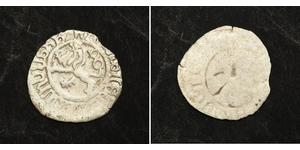
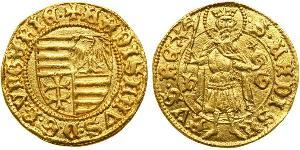
The connection between this monarch and numismatics is primarily one of rarity and political symbolism rather than widespread circulation during stable rule. Coins depicting Ladislaus were typically issued by mints loyal to the Austrian crown or those that recognized his hereditary right despite local resistance in Hungary.
- Sovereignty Claims: The portrait on these pieces often served a diplomatic function, asserting imperial continuity against rival claimants and electors who challenged his legitimacy early in his life.
- Mint Locations: While specific mint records are scarcer than those of later kings like Matthias Corvinus, specimens found typically originate from the Austrian heartlands or Bohemian territories controlled by loyalist factions during periods when he regained direct control after Hunyadi withdrew forces in 1453.
- The Guardian Era: During his youth under guardianship, standard currency often bore regent marks. Collectors examining these issues gain insight into the struggle between imperial authority and regional nobility power structures of the mid-15th century.
Perspective for the Collector
Ladislaus V pieces are highly prized by specialists not merely as currency, but as historical artifacts preserving a fragile moment in history. Because his reign was so short and frequently interrupted by regencies or civil strife, surviving coins representing independent royal authority from this period are extremely scarce.
The value for the enthusiast lies in rarity; an original strike connects directly to the last member of the Albertinian Line before the House of Habsburg’s trajectory shifted permanently. Additionally, these issues often feature intricate heraldic designs reflecting his connection to Austria and Bohemia. Owning a Ladislaus coin provides tangible evidence of the struggle between Ottoman pressure, Hussite politics, and internal European succession disputes that reshaped Central Europe for centuries.