| Kalākaua | Link to Wikipedia |
Kalākaua (November 16, 1836 – January 20, 1891): History and Coinage
Welcome visitors of the Kingdom of Hawaiʻi era. Today we focus on David Kalākaua, a monarch whose legacy transcends traditional biography to become an integral part of our monetary history.
Kalākaua reigned as the last king before American influence grew significantly during his twenty-seven year tenure. Born into high nobility at Punchbowl Crater and educated in both Hawaiian culture and Western diplomacy, he famously revitalized traditional arts by reinstating hula on public stages. He sought to unify Pacific nations through a proposed Polynesian confederation while simultaneously modernizing the island economy via sugar treaties that brought immense wealth.
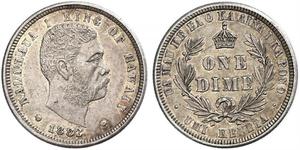
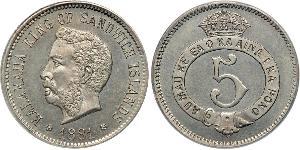
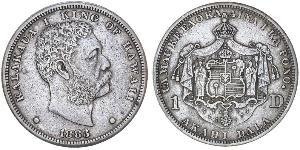
Beyond political strategy or cultural celebration, Kalākaua also serves as a figurehead in our financial institutions of artistry and sovereignty. His likeness has been depicted on various denominations issued by entities representing the Kingdom of Hawaiʻi during his reign. During this period of independence, metal currency represented stability to international trade partners, while domestic coins symbolized national pride.
The image appears most notably when considering gold sovereigns struck for circulation within Pacific markets. While many nations faced economic collapse in 1893, the coinage bearing Kalākaua's portrait preserved a legacy of Hawaiian self-determination against political pressure to annex Hawaii into the United States. Collectors appreciate these pieces because they offer tangible proof of sovereignty at a critical historical juncture.
Coinage Context and Historical Significance
Minted during his life or commemorated posthumously, coins featuring Kalākaua are rare yet highly sought-after. Their value lies not solely in material worth but in the narrative of a people who maintained their culture amidst rising imperial pressure.
- Rarity: High-grade examples often exist due to limited mintage volumes compared to standard United States currency circulated during this era.
- Cultural Identity: The design elements reflect Hawaiian motifs and artistic styles that differ distinctly from European or American numismatic traditions, offering collectors a unique aesthetic experience.
Kalākaua's portrait provides context for the economic challenges of his time. His death marked the end of an era before Liliʻuokalani ascended to throne and ultimately led to overthrow in 1893. By examining coins from this dynasty, enthusiasts trace a timeline where Hawaiian sovereignty was asserted through artistry even as legal control shifted.
This coinage serves educational purposes by connecting the tactile act of collecting with historical understanding regarding cultural resilience. The face you hold is that of a man who embraced music and dance, believing these traditions were essential to national survival during foreign domination attempts.