| Julia Maesa (165-224) | Link to Wikipedia |
Julia Maesa (7 May before 160 AD – c. 224 AD): History and Coinage
Julia Maesa stands as a pivotal figure in late Roman political history, bridging the gap between traditional priesthood and imperial authority. Born into an Arab family of priests for the deity Elagabalus in modern-day Homs, she leveraged her familial connections to shape succession during one of Rome’s most turbulent periods following Caracalla's assassination. Although not officially emperor herself, her status as Augusta was formalized by coinage while serving effectively as a regent figurehead for her grandsons. Her strategic interventions allowed the Severan dynasty to recover from Macrinus’ short-lived usurpation and secured the throne under Elagabalus before transitioning to his successor, Alexander around two decades later. Maesa’s influence extended beyond Rome; she accumulated significant wealth during twenty years of residence in the imperial court while her husband held provincial governorships.
The Relationship Between Her Legacy and Imperial Coins
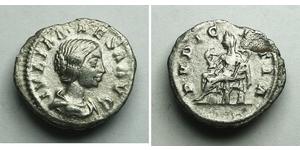
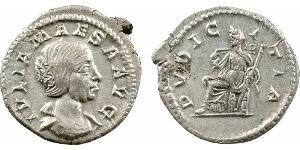
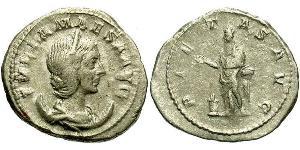
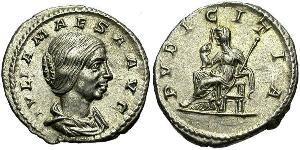
The imperial mints across Roman territories produced issues bearing her portrait alongside those of Elagabalus and Severus Alexander from 218 until Maesa’s death circa 224 AD. These coins were issued under the names of ruling emperors, with Maesa often depicted wearing diadems to signify shared authority rather than merely representing a mother-in-law role visible on silver denarii found today. Numismatists observe that these pieces validate dynastic continuity amidst chaos following Caracalla’s murder by Macrinus without requiring new legends in metal currency for every political shift occurring during this era. A striking artistic distinction exists between Maesa issues and those of Julia Domna; the former show sharp, formidable features consistent with Arab poets’ descriptions of women who walk purposefully while their sister is known for softer looks on silver denarii minted later.
Why Collectors Value These Coins
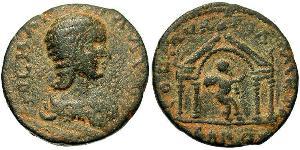
Enthusiasts prize these artifacts because they encapsulate deep intrigue regarding female influence in male-dominated succession lines within the Eastern Roman Empire. Maesa’s coins offer a tangible link to how women managed military loyalty and wealth redistribution against usurpers like Macrinus by offering fortune directly to soldiers based near Emesa. She initiated plots that led her grandson ascending on purple robes visible on bronze issues found today, making these objects narrative vessels for understanding the coup mechanics of late third-century Rome. Rarity stems from her relatively short active reign alongside grandsons compared to other emperors of the Antonine period who ruled for decades or centuries in total across history books specifically highlighting her enduring legacy on coins.
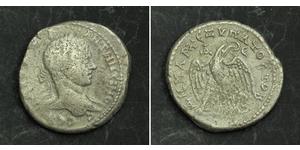
Exploring this collection allows collectors to examine a unique era where family politics were written into metal currency across the vast empire. The presence of Eastern motifs like Elagabalus cult imagery embedded within Roman profiles is another feature found when looking at Maesa and Alexander's coinage issued by provincial authorities in Syria rather than central Rome, helping students distinguish between mint batches representing different political factions that emerged from her strategic maneuvering before death.