| Joseph Freiherr von Eichendorff | Link to Wikipedia |
Joseph Karl Benedikt Freiherr von Eichendorff (1788–1857): History and Coinage
Welcome, enthusiasts of history and numismatics. We are here today to examine the legacy of a central figure in German Romantic literature and his enduring presence on cultural artifacts.
A Literary Legend from Silesia
Born into nobility yet shaped by financial hardship in Lubowitz Castle, Joseph von Eichendorff was not merely an aristocrat but a quintessential wanderer. Born in 1788 within the Kingdom of Prussia, his early years were marked by family debt and education at the University of Heidelberg alongside his brother Wilhelm. These formative experiences during the Napoleonic era deeply influenced his artistic vision.
Eichendorff became renowned for works such as Aus dem Leben eines Taugenichts, which personified wanderlust, love, and nature's pure beauty. Unlike generals or emperors who adorned currency with military regalia, Eichendorff represented the intellectual soul of an era where literature defined national identity. His diaries reveal a young man torn between family duty to his father on estates in Silesia and personal artistic dreams. He traveled through Germany, Austria, and France, documenting travels that became central motifs for Romantics.
His life ended in 1857 after the loss of maternal estate ties left him without property following political shifts across Europe. The poet wrote during a time when Prussian culture flourished under Frederick William III, yet his specific literary influence stood separate from state power struggles. This separation is crucial for collectors understanding why he differs significantly from figures like Wilhelm I or Bismarck.
The Numismatic Connection
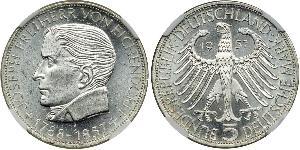
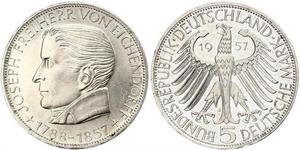
In traditional numismatic history, Eichendorff does not appear on standard circulation currency such as Prussian thalers or marks during his lifetime. Coins are primarily state obligations honoring heads of government; poets were rarely minted into legal tender due to lack of political authority.
However, specialized collectors value commemorative medals and modern issues dedicated to German cultural heritage. These items were often produced by private mints or later by post-war states to honor national literary figures rather than ruling dynasties. The historical context for these pieces stems from the 20th-century preservation of Romanticism's legacy.
Collecting and Cultural Value
For collectors, coins featuring Eichendorff are prized not as legal tender but as cultural memorabilia. Their scarcity in circulation compared to state portraits makes them sought-after items for specialized literary series within numismatic collections. These pieces allow the holder of a coin or medal to carry forward the Romantic aesthetic that once inspired generations of German youth.
The artistic quality on these commemorative tokens often matches contemporary engravings, preserving the elegance of 19th-century design styles even in later reissues. Exploring this niche helps beginners understand how nations use currency—both official and unofficial—to cement historical memory without political endorsement.