| José Gervasio Artigas | Link to Wikipedia |
José Gervasio Artigas (1764–1850): History and Coinage
Welcome to our collection of national icons. José Gervasio Artigas stands as a cornerstone in the annals of South American history, revered primarily today for his pivotal role in securing Uruguayan sovereignty. A former Spanish soldier turned revolutionary leader, he is recognized as the father of the nation. Born into a wealthy family in Montevideo before embracing the lifestyle of gauchos, Artigas played an instrumental part in the struggle against royalist control and Portuguese intervention during the early nineteenth century.
Beyond his military campaigns at Las Piedras and the defense of the federal provinces, he championed autonomy through the Federal League. His legacy is one of independence forged from colonial rule, making him a symbol of national identity that persists to this day in Uruguay's cultural consciousness.
Relationship to Coinage
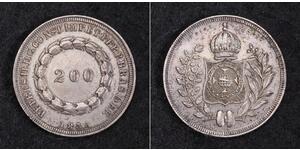
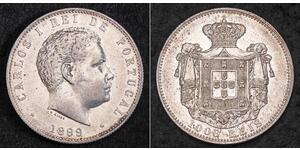
To understand Artigas on currency, we must look at how coin portraits evolved during the era of Latin American emancipation. During his lifetime and through much of the early independence period (post-1806), standard circulation silver pesos circulated with portraits of Spanish monarchs or later Portuguese-Brazilian governors in regions under their control.
Artigas himself rarely appeared on official coinage during his life, as he was never a head of state; instead, allegorical figures represented liberty. However, following Uruguay's formal independence and the nation-building efforts after 1830, numismatics began to shift toward representing national heroes.
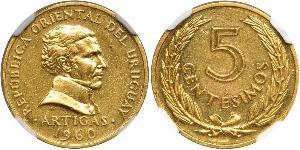
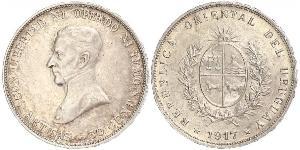
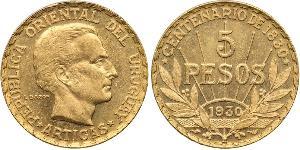
The decision to feature Artigas on currency or commemorative pieces is rooted in his status as a unifying figure of federalist ideals. While standard colonial coins are often sought for their metal content and age, later medallions issued by the Central Bank of Uruguay or private mints utilize his likeness to honor historical milestones.
Why Collectors Value These Coins
Coin collectors find value in these items through several lenses. First is historical significance; a piece bearing Artigas connects you directly to the birth of modern nationhood and the ideological shift from monarchy to republicanism. Second, while circulating currency was often replaced by allegories during the independence wars, his image eventually gained popularity on commemorative issues.
The rarity factor varies significantly between standard circulation pieces from different eras versus unique museum-quality medals issued for specific bicentennial events. Collectors are also drawn to these items because they represent a crucial period of geopolitical transition in South America. Exploring this category allows enthusiasts to examine the artistry used to honor founders and understand how political sovereignty was literally engraved into metal.