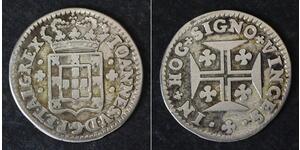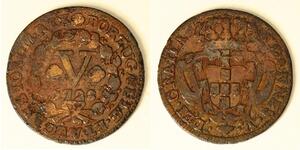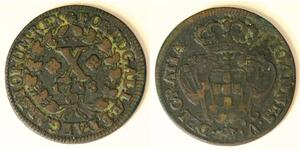
| John V of Portugal (1689-1750) | Link to Wikipedia |
John V of Portugal (1689–1750): History and Coinage
Welcome to a detailed exploration of one of the most opulent periods in Iberian monarchy history. King Dom João reigned during an era when the House of Braganza reached financial heights unmatched by contemporaries across Europe. Known affectionately as the Magnanimous or formally titled the Portuguese Sun King, his rule began on December 9, 1706, following the death of his father Peter II. His administration is remembered for transforming Lisbon into a Baroque capital comparable to Versailles in France at that time. This transformation was not merely architectural but financial; the royal treasury swelled with gold extracted from Brazil through colonial taxes known as the royal fifth.
Relationship to Coinage
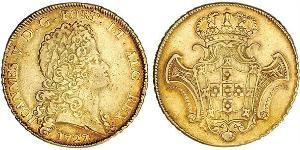
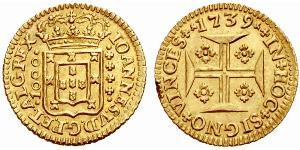
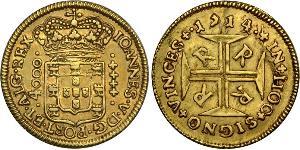
As an absolute monarch, John utilized coinage as a primary tool for projecting power across his vast empire and diplomatic circle in Europe. The currency minted during this period reflects the immense economic influx from South America that funded major architectural projects like Mafra Palace. While silver reales were common throughout Spain's sphere of influence, gold coins featuring royal seals circulated to fund embassies sent to Paris or Rome for cultural recognition. Collectors will find these issues particularly interesting because they often bear inscriptions emphasizing piety and divine right rather than merely stating weight standards. The artistic style shifts during his reign align closely with European court aesthetics at the time, signaling Portugal's desire for international status through material wealth displayed on metal discs intended to circulate from Bahia to Lisbon.
Why Collectors Value These Coins
Understanding these artifacts requires appreciating their historical weight first. The coins represent a unique moment in numismatic history where imperial expansion directly fueled domestic currency production with high purity levels that later became harder to find when trade routes were severed by colonial independence wars. For the enthusiast, finding a well-preserved specimen offers insight into an era of Baroque prosperity before decline and political instability arose after 1750. Rarity plays a significant role here; specific denominations issued toward the end of his reign are scarce due to shifting economic policies under subsequent monarchs who sought to reduce colonial wealth for domestic spending in Portugal itself.
The study of these pieces allows one to understand not just trade values but how Portuguese identity was constructed and marketed abroad. They remain essential additions for serious numismatic libraries focused on South American or Iberian history, offering a tangible connection between the Crown's religious devotion and its imperial economic might. Through examining these objects, enthusiasts can appreciate why John V remains a central figure in the narrative of 18th-century European royal currency.