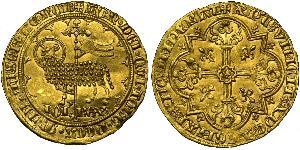
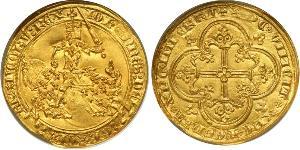
| John II of France (1319-1364) | Link to Wikipedia |
John II of France (1319-1364): Life and Coinage
King of Turmoil and Currency Reform
John II, historically known as John the Good, reigned from 1350 until his death in 1364. His accession marked a critical period for France during the Hundred Years' War. He inherited a kingdom battered by the Black Death, internal rebellions like the Jacqueries, and English aggression that culminated in his own capture at Poitiers.
In this era of crisis, John was defined less by military triumph than by political endurance. Although captured while leading French forces to defeat, he voluntarily returned to England after learning that a son used as ransom had escaped custody. This act restored honor when his return from captivity led to the establishment of new financial structures necessary for national survival.
The Numismatic Landscape
During John's reign, the French monarchy faced severe economic instability necessitating currency reform upon his release in 1360. He sought to stabilize the realm by creating the franc and attempting to neutralize free companies of soldiers who plundered domestic trade routes.
Coinage issued under this monarch reflects a transition period where royal authority attempted to reassert itself against English dominance. While earlier silver deniers circulated during his early dukedom or regency, gold issues represented an ambitious attempt at financial normalization following the Treaty of Brétigny and territorial concessions. The portraits on these pieces often display solemnity befitting a ruler navigating diplomatic defeat rather than martial glory.
Pieces for Collectors
Coin collectors value artifacts from this era because they bridge the gap between feudal coinage and modern standardized currency systems. Surviving specimens are rare, as medieval circulation was high but preservation rates low compared to later centuries. Acquiring coins associated with John offers a direct connection to the political strategies required during wartime diplomacy.
The artistic quality of these issues demonstrates the Gothic aesthetic prevalent in mid-14th-century France before shifting toward Renaissance styles found under his successor, Charles V. For enthusiasts tracking French numismatic history, John's reign provides essential context for understanding how currency served as a tool to rebuild economic trust after national disaster.
This collection of artifacts remains vital for studying medieval monetary evolution and the personal character of Valois kings who prioritized state stability over traditional chivalric conquests.