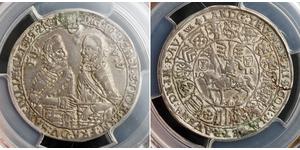
| John Casimir, Duke of Saxe-Coburg | Link to Wikipedia |
John Casimir of Saxe-Coburg (1564–1633): History and Coinage
This section provides a museum curator’s overview of John Casimir, Duke of Saxe-Coburg-Gotha. Born in 1564 as the third son of a dispossessed duke, his life trajectory reflects the complex political shifts within Thuringia during the late sixteenth century. After recovering dominions following Imperial sanctions against Gotha and losing them again to captivity, he eventually established himself with full sovereignty over Saxe-Coburg.
The early part of Casimir’s reign was defined by administrative consolidation. Following his brother John Ernest's allocation in 1596, Casimir ruled exclusively from Coburg. His administration focused on cultural elevation and religious uniformity within the Lutheran faith. These efforts stabilized a region frequently contested during major European conflicts. He managed to navigate the tumultuous Thirty Years War with neutrality until 1632, only switching allegiance later under pressure.
Sovereignty on Silver
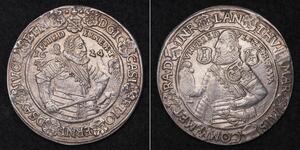
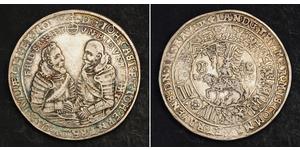
In the numismatic landscape of sixteenth and seventeenth-century Europe, a ruler’s face was not merely decorative; it was an instrument of authority. Coins minted during Casimir's reign served as proof that his principality operated independently from imperial oversight or rival ducates in Saxony.
- Lifetime Authority: The issuance occurred primarily while he governed Coburg, asserting control over local trade and resources even amidst the political isolation caused by Imperial troops occupying parts of Thuringia later in his life.
Coinage issued under his patronage typically featured portraits that matched the Renaissance architectural style he championed for his residences. By placing a ducal face on currency, Casimir reinforced his claim to justice and religion as summus episcopus within his territory.
The Collector’s Perspective
Educators value these pieces because they represent specific points in the administration of Thuringia that survived political upheaval. Collectors look for specimens from before 1631, when he held neutral status and could maintain open trade routes without Imperial interference.
- Rarity: Many examples are scarce due to wartime disruptions in mint production and the specific administrative changes that followed his childless death.
The artwork on these coins often mirrors the Renaissance structures rebuilt under his command. Acquiring a coin featuring this figure offers insight into how European dynasties preserved their identity through silver during periods of religious strife, making them significant for specialized collections focusing on Thuringian numismatics or pre-German unification currency.