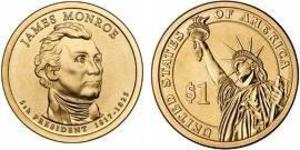
| James Monroe | Link to Wikipedia |
James Monroe (1758–1831): History and Coinage
The Fifth President of the United States:
JAMES MONROE WAS A CRITICAL FIGURE IN AMERICAN HISTORY, DEFINED BY HIS ROLE AS THE LAST FOUNDER TO HOLD OFFICE AND FOR ESTABLISHING US FOREIGN POLICY PRINCIPLES LIKE MONROE'S DOCTRINE.
A Legacy of Leadership
James Monroe stands as a pivotal figure in the narrative of an emerging nation. Serving from 1817 to 1825, he presided over what became known as the Era of Good Feelings. His presidency marked a significant period of unity following the War of 1812 and solidified American independence through policies that deterred European colonial expansion in the Western Hemisphere. Historians rank him among average presidents because his leadership effectively concluded early republican politics while expanding territorial borders with Spain and Britain.The Relationship to Coinage
JAMES MONROE DID NOT FEATURE ON US CIRCULATING COINAGE DURING HIS LIFETIME UNLIKE GEORGE WASHINGTON, WHOSE IMAGE APPEARED EARLY.
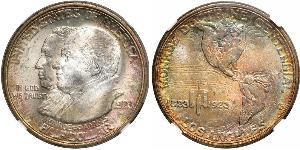
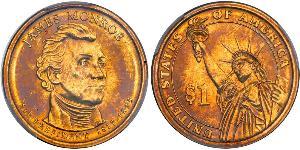
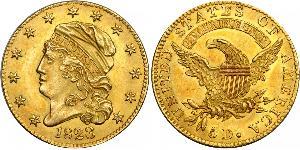
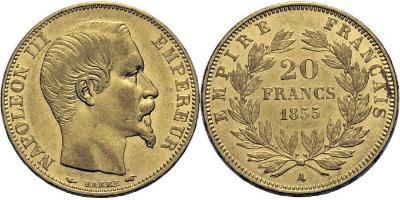
Due to legal constraints and design practices of the early republic, portraits were often omitted from circulating currency in favor of abstract symbols or heads like Liberty. However, his legacy appears prominently on medals struck by societies such as those he supported during his tenure. These numismatic pieces honor his connection to expansionism without depicting him on daily denominations until modern commemorative issues began honoring past presidents.
The Appeal for Collectors
MEDALS AND COMMEMORATIVES FEaturing James Monroe are sought by collectors interested in specific historical themes such as diplomacy and constitutional governance rather than purely market value. The rarity of these items makes them highly relevant to the study of early national identity.
- Historical Importance: Each coin reflects a period where American authority solidified against foreign interventionists, making the imagery educational for numismatists studying 19th-century expansionism.
- Narrative Connection: Collectors value these pieces as tangible links to his controversial decisions and triumphs like securing Florida via treaty negotiations with Spain.
In summary, Monroe is a figure of significant weight in the history books. While less ubiquitous than Washington on circulating currency today, collectors prize early American medals for their historical context that explains how a nation defined its borders without direct colonial interference from abroad. For those seeking items depicting leaders who shaped modern sovereignty, exploring these pieces offers insight into both artistic design and national ambition.