| Józef Piłsudski | Link to Wikipedia |
Józef Piłsudski (1867–1935): History and Coinage
The Man Behind the Metal
Józef Piłsudski stands as a monumental figure in twentieth-century Central European history. Born into nobility on Polish lands under Russian rule, he dedicated his life to liberating his nation from foreign partition following three centuries of occupation. Serving as Chief of State and Marshal of Poland during the Second Republic, Piłsudski orchestrated military campaigns that secured national borders against both Soviet Russia and Germany. His leadership at critical junctures, such as repelling the invasion in 1920, cemented his legacy not merely as a soldier but as an architect of modern Polish sovereignty.
The restoration of independence allowed for the creation of new institutions where state representation became paramount to national identity. As Piłsudski consolidated influence and redefined foreign policy, he represented unity amidst diverse minorities within the borders reclaimed in 1918. For collectors seeking tangible connections to this era, numismatic artifacts offer a window into how a nation chooses to memorialize its leaders.
Presentation on Currency
Different political entities governed Piłsudski throughout his life and legacy. While he served in the independent Republic of Poland rather than an imperial monarchy during his prime, early coinage issued under the Second Polish Republic sought distinct symbols to define statehood amidst post-war reconstruction.
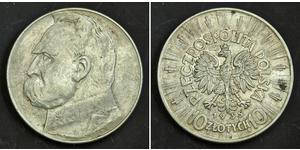
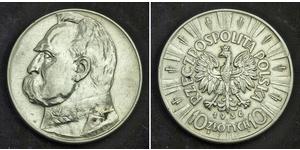
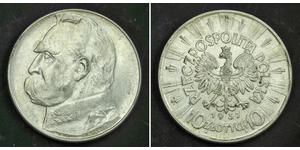
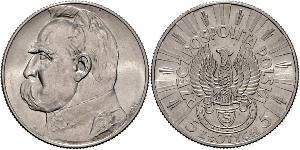
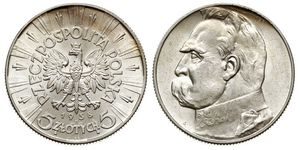
- Interwar Era: During his tenure as Marshal and de facto leader from 1926 onwards, Piłsudski became central iconographic material. Silver pieces were minted to commemorate service in the Polish Legions or state achievements without necessarily appearing on everyday change.
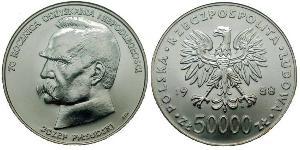
- Post-World War II Commemorations: After reunification and during later anniversaries of independence, modern issuers released bullion rounds featuring his portrait. These items serve as historical tributes rather than general currency circulation, honoring his foundational role in the nation's revival.
- Rationale for Portraiture: His inclusion on metal reflects an era where state symbols were often military or political leaders embodying strength and independence.
The decision to place a statesman rather than monarchs' faces was unique. It signaled that the modern republic valued civilian leadership even as it relied heavily on martial might for its survival during turbulent geopolitical expansion in 1930s Europe.
Nature of Collector Appeal
The enduring value among history enthusiasts stems from a combination of educational significance and rarity. A coin bearing Piłsudski’s likeness connects the holder directly to the struggle that restored Poland to maps in the early twentieth century.
- Historical Context: These pieces allow collectors to understand the geopolitical stakes of 1920-1935, including battles and diplomatic shifts without needing a textbook. They serve as miniature records of national resilience.
- Artistic Quality: Minting techniques from this period produced crisp designs intended for high-quality medals or special issues rather than mass-produced circulation money.
- Rarity and Preservation: Many original pieces remain scarce in pristine condition. The limited number of production runs during unstable interwar years contributed to the survival challenges faced by these items today.
Whether viewing a historical medal or a modern commemorative strike, examining Piłsudski's image invites reflection on how nations honor their origins through metallic history and cultural memory. Exploring these pieces deepens appreciation for the personal sacrifices made during Poland’s long path to statehood.