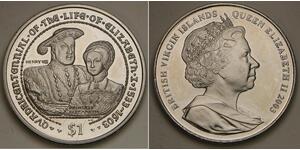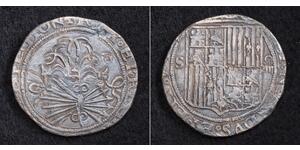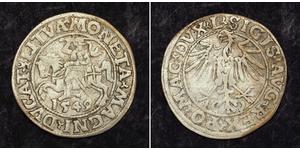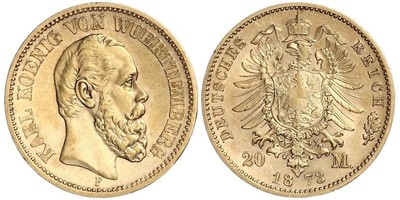
| Henry VIII (1491 - 1547) | Link to Wikipedia |
Henry VIII (1491–1547): History and Coinage
HENRY Viii
The Tudor Crown of the North Sea: A Numismatic Legacy
Welcome, collectors. As a curator standing before our collection from the sixteenth century, I often draw your attention to Henry VIII not merely as an individual who reigned over England during times of great religious upheaval, but as one whose image helped standardize national currency for centuries.
Historical Significance
Born in Greenwich and ascended at age seventeen after the death of his brother Arthur was a significant political event. His historical importance lies not just in being monarch but fundamentally altering England's religious landscape by separating it from Rome via the Act of Supremacy 1534. He transformed a fractured, medieval monarchy into one that projected power over both church and state simultaneously.
This consolidation was crucial for English unity following his father Henry VII’s efforts to stabilize the dynasty after decades of war in France and Scotland. His reign also solidified peace with Europe's other great powers—specifically Spain—as he established England as a major naval power, even while managing conflicts over succession involving Catherine Howard.
The Portrait on Coinage
The minting practices during this period were closely tied to political messaging. While Henry VII had begun standardizing English silver coinages for trade stability across Europe—using gold and high purity sterling which allowed England to dominate North Sea commerce—Henry VIII continued these standards while the religious wars shifted focus.
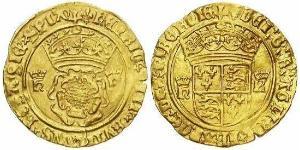
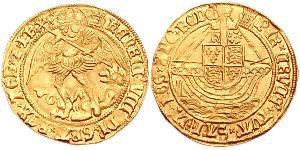
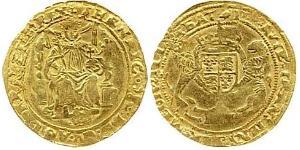
Numismatists note that coins issued during his lifetime were minted as a declaration of authority. As he assumed power, he replaced symbols associated with foreign influence or rival factions (like older royal badges) with new crosses and heraldic roses representing unified England under the "Tudor Rose." These early issues often depicted him in youthful majesty to reinforce his dynastic legitimacy against potential rivals.
Later types saw slight iconographic shifts reflecting his political stance. Although official mint portraits were somewhat conservative, medals produced during wars (like the Dutch conflict) featured more detailed likenesses that mirrored his age and health decline—features often missing from silver coins of the same period where engravers prioritized regal dignity over realism.
Why Collectors Value These Coins
The primary appeal for collectors is found in rarity. While many copper pennies circulated widely during peace, genuine gold pieces (Crown and Noble) are prized for their high silver content and early-minted condition which reflects the quality of trade currency used by international merchants.
Rarity
- Fine preservation examples where the die strike remains sharp on obverse legends indicating royal titles in Latin rather than English.
- Coin types from later reigns that carry evidence of metal debasement for war efforts, offering a physical record of the era's economic pressure.
These pieces offer more than monetary worth; they act as tactile history. A piece held in hand today can still show marks from minting techniques unique to Tudor times—hammered silver or later cast gold standards used for diplomatic gifts and royal awards, distinctively differentiating this period's metalwork.