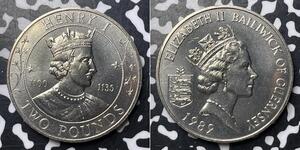
| Henry I (1069 - 1135) | Link to Wikipedia |
Henry I c. 1068–1135: History and Coinage
Henry Beauclerc, the fourth son of William the Conqueror, reigned as King of England from 1100 until his death in 1135. Following a turbulent succession period marked by civil war after the White Ship disaster of 1120, Henry played a crucial role in centralizing royal authority and reforming legal systems across Normandy and England. As an educated administrator who established effective taxation institutions like the exchequer, he secured stability for his kingdom during times of intense pressure from neighboring dukes.
Currency and Authority
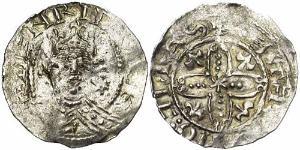
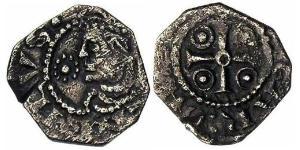
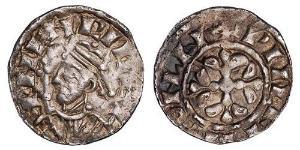
The coinage issued under Henry demonstrates the continuity of royal sovereignty even amidst political challenges to his rule. While medieval silver pennies from this era did not typically feature realistic portraits in the modern sense, they served as powerful declarations of identity through inscriptions such as HENRICUS REX. These coins circulated widely throughout England and were minted at various locations including London. The designs maintained consistency with those issued by his brother William II but evolved slightly to reflect a more standardized administrative system under Henry's direction.
The historical circumstances surrounding this currency are significant because they bridge the gap between early Anglo-Saxon traditions, which allowed local nobility greater influence over minting practices in certain regions, and later strict royal control established by his successors. By asserting these standards during his reign, Henry I set a precedent for economic regulation that collectors find essential to understanding medieval monetary systems.
The Collector's Appeal
Coin enthusiasts are drawn to the silver pennies of this period primarily due to their scarcity in pristine condition and their connection to pivotal moments in English history. Collectors value these issues not for market fluctuations but because they offer a direct link to an era when England reorganized its governance under strong, reformist leadership.
- Rarity: Many early medieval coins circulated so extensively that only worn examples survive today, making original specimens highly desirable to those studying economic history.
- Historical Context: Each piece reflects a specific phase of consolidation following the death of Henry's heir and subsequent civil conflict known as the Anarchy.
Exploring these artifacts allows historians and enthusiasts alike to better appreciate how currency served not merely as commerce but as a permanent record of royal power in the twelfth century. This legacy invites exploration into broader collections featuring medieval British monarchs from that transformative age.