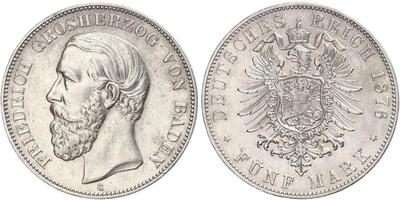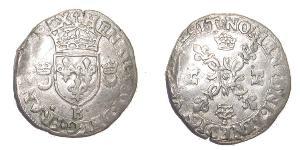
| Henry II of France (1519 -1559) | Link to Wikipedia |
Henry II of France (31 March 1519 – 10 July 1559): History and Coinage
King Henry II represents a pivotal era in French history, bridging the tumultuous reigns of Francis I with the turbulent religious politics that followed his death. A second son who unexpectedly became King after his elder brother's early demise, he inherited not just a crown but an artistic legacy centered on the chateau at Fontainebleau. His personal life was defined by deep connections to both Catherine de' Medici and Diane de Poitiers, relationships that were mirrored in the refined elegance found throughout European art of the mid-16th century.
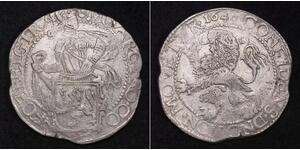
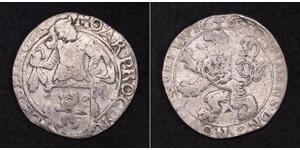
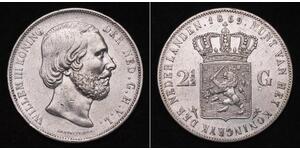
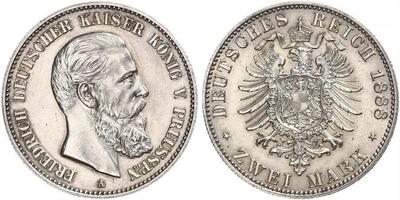
The relationship between Henry II’s reign and numismatics is one of continuity rather than revolution. As a monarch who inherited the coin designs established by his father's court artists, he did not radically alter the French monetary standard; instead, he utilized this platform to project royal dignity during diplomatic treaties like the Peace of Cateau-Cambrésis which ended major Italian Wars conflicts that had drained the treasury for decades. The portrait on these gold and silver coins evolved from the heavier medieval styles into a lighter, more humanist style typical of French Renaissance court portraiture—a direct reflection of his father’s influence but refined by Henry's own youthfulness at accession.
For collectors venturing into this period of French numismatics, specimens minted under Henry II are prized for capturing a moment where the monarchy appeared unified and sovereign even as internal religious tensions began to build in Europe. While often overshadowed later on by the reigns of Catherine de' Medici's own children or her long regency following his death, coins from this era provide rare insight into how French royalty utilized portraiture before the iconography shifted during wars of religion.
While French coinage from this period is less common than English Tudor issues due to lower overall mintage volumes in Europe at that time compared to other powers like England or Spanish systems, finding them remains a challenge for specialists because of their rarity and distinct aesthetic. Collectors value these pieces not just as currency but as artifacts connecting France back to Italy's artistic dominance during this era, serving as tangible proof of Henry II’s successful foreign policy aimed at establishing French cultural independence from the Habsburg shadow.