| Hadrian (76 - 138) | Link to Wikipedia |
Hadrian (76 – 138): History and Coinage
Hadrian, born Publius Aelius Hadrianus in Italica near Seville around the year 76, stands as a definitive figure within Rome’s Nerva-Antonine dynasty. Unlike his predecessor Trajan who championed aggressive expansionism, Hadrian focused on stabilizing borders and unifying subjects under Greek culture while he visited nearly every province of the empire personally. His reign is often characterized by benevolent autocracy mixed with authoritarian governance against hostile senators following their deaths early in 117. He died at Baiae in July 138, shortly after adopting Antoninus Pius to secure succession.
The Emperor on Coinage
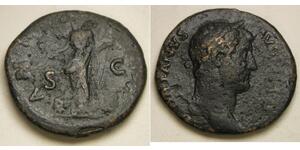
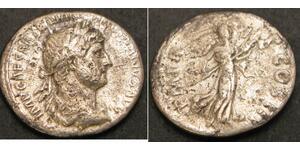
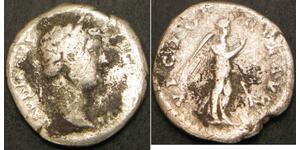
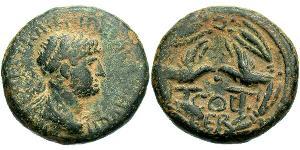
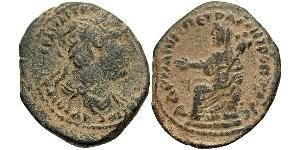
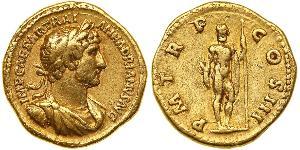
Roman imperial mints produced denarii and antoniniani depicting Hadrian during his rule and following his deification. The imagery carefully balanced military authority with cultural refinement, reflecting his dual approach to governance. Portraits often showed him in the Greek dress of a philosopher or senator rather than standard armor alone as seen on earlier emperors like Augustus, signifying his deep philhellenic interests.
The reverse types frequently celebrated specific architectural projects he funded such as temples and walls constructed from Britannia to Alexandria. Unlike coins minted under Trajan that showcased conquest trophies, Hadrian’s currency emphasized defensive fortifications and civic restoration. These pieces were issued centrally in Rome but also circulated locally during his administrative visits to the provinces where these distinct types carried political weight.
The Appeal for Collectors
Coin enthusiasts are drawn to artifacts featuring this ruler because they offer a tangible window into an era defined by architectural innovation rather than territorial conquest. The artistic quality of his portraits varies significantly depending on the mint location, offering scholars and collectors material evidence of provincial workshop differences during the second century.
Rare denarii depicting specific regional attributes or early posthumous deification designs hold special interest for specialists assembling dynastic collections focused on Second Century emperors. Beyond aesthetic merit, these coins document a pivotal period where Rome transitioned from an aggressive empire to one of internal consolidation and administrative oversight. For those studying imperial iconography shifts away from conquest imagery toward cultural patronage, pieces attributed to Hadrian serve as essential educational tools that bridge Republican ideals with later mystical autocracy.