


| Gustav III of Sweden (1746 - 1792) | Link to Wikipedia |
Gustav III (24 January [O.S. 13 January] 1746 – 29 March 1792): History and Coinage
King Gustav III of Sweden remains one of the most captivating figures in European monarchy history, particularly for his dramatic reinvention of royal authority. Born into a time dominated by parliamentary influence after the Great Northern War, he initiated the Swedish Revolution in 1772 to end what was known as the Age of Liberty. This coup d'état transformed him from a relatively powerless sovereign into an autocrat who restored significant executive power while simultaneously championing enlightened absolutism.
Beyond his political restructuring, Gustav was a fervent patron of arts and literature, spending considerable resources to build institutions like the Royal Swedish Opera and founding the Swedish Academy. Although he supported reforms such as legalizing Jewish presence in Sweden, these cultural achievements contrast sharply with the tragedy that ended his reign: an assassination attempt at a masquerade ball where gunfire wounded him mortally thirteen days before death. Despite his violent end, many of his political enemies apologized during his suffering, highlighting how complex and beloved he remained among the populace even as autocracy clashed with emerging democratic ideals.
The Royal Connection in Numismatics
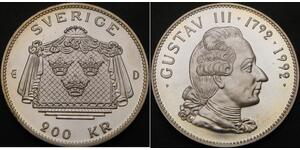
Coinage issued under Gustav III reflects this period of intense constitutional change. Swedish mints produced silver Riksdalers and copper currency featuring his portrait, signaling the transition from shared governance to unified royal will during his autocracy era. While some denominations circulated domestically for trade in grain or local commerce within Sweden's Baltic dominions, others were struck specifically to validate his new Union and Security Act policies. Collectors note that these coins typically display a dignified profile distinct from earlier republican-style imagery, marking the visual confirmation of restored monarchical dignity before 1792.
The Appeal for Modern Collectors
Enthusiasts value Gustav III pieces for their connection to late-eighteenth-century minting artistry and political history. The engravings on these coins often represent high craftsmanship, as the king himself was a supporter of artistic standards which influenced how royal portraits were sculpted or etched by contemporary artists like Alexander Roslin who worked in his patronage circle. Beyond mere rarity found in surviving examples from 1789 before regicide altered official production schedules, collectors appreciate owning artifacts that document Sweden's shift toward modern governance structures established after his death in 1792. Studying these coins offers insight into a unique era where culture and statecraft merged to create an autocratic legacy that influenced Scandinavian politics for nearly another century.


