| Gratian (359-383) | Link to Wikipedia |
Gratian (359 – 383): History and Coinage
Emperor Gratian stands as a pivotal figure in the history of the Western Roman Empire during a period of significant transition. Born into an era where Germanic tribes were pressing against frontier defenses, he ascended to power through complex lineage politics following his father Valentinian I's death.
Rise and Historical Significance
Gratian’s story captures the turbulent shift from traditional Roman state religion toward Catholic orthodoxy. His reign is marked by critical military campaigns where he secured borders against the Alamanni, quadi, and Burgundians, titles often reflected on his currency to denote victory.
His historical importance lies in bridging a gap between the senior Augustus Theodosius I and his predecessor. He was raised as a co-Augustus before fully inheriting the administration at seventeen. Following the disastrous defeat of his uncle Valens, Gratian elevated Theodosius to replace him.
The Imperial Image on Coinage
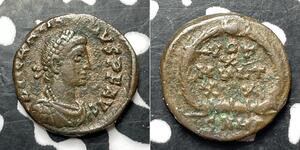
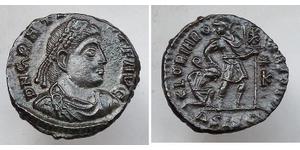
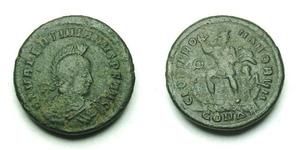
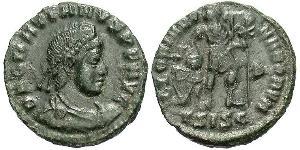
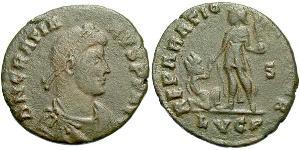
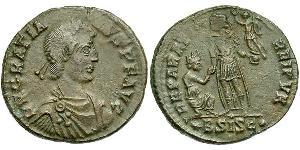
Mints in Rome and Mediolanum produced silver denarii and bronze coins bearing his profile during his lifetime. His portrait evolved from a youthful depiction to one reflecting imperial maturity, especially as he assumed independent rule after 375.
The Collector's Perspective
Dedicating these issues in specialized ancient Roman numismatics highlights the rarity of authentic examples featuring this short-lived but influential ruler. While silver and bronze circulated widely among soldiers for transactions, gold aurei were reserved for high-value transfers or official imperial propaganda. Collectors appreciate coins minted under his authority as they represent a specific window into early 4th-century military stability in Gaul.
Finding these pieces allows an enthusiast to examine the artistry that transitioned between late antiquity’s grandeur and its eventual fragmentation, making each coin a tangible piece of history rather than merely bullion or currency. Exploring Gratian's coins provides insight into why his portrait was deemed essential enough for state representation in such chaotic times.