| Ghazi of Iraq | Link to Wikipedia |
Ghazi ibn Faisal (1912 – 1939): History and Coinage
Ashraf of Iraq, known historically as Ghazi ibn Faisal I, was a pivotal figure in the early history of modern Arab sovereignty. Following his father’s death in September 1933 at age twenty-one, he ascended to the throne of an independent kingdom that had only been established through referendum five years prior. While remembered for his brief reign and tragic death involving a vehicle accident later in 1939, Ghazi remains a fascinating subject within numismatics due to the specific historical moment captured by currency from this era.
The Legacy of Currency
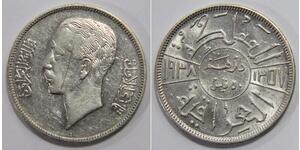
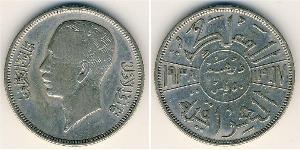
During the interwar period, metal coinage served as tangible evidence of national stability. The Kingdom of Iraq issued various gold and silver denominations bearing the portrait of Hashemite monarchs to assert independence following British Mandate administration. While early issues typically featured his father’s likeness from 1920 until Ghazi’s coronation, coinage struck between 1934 and 1936 often began to transition toward the portrait of the young Crown Prince or King. These coins represent a specific window in monetary history where a monarch’s image was solidified on metal just before the economic turmoil leading up to World War II.
Coinage issued during Ghazi’s lifetime is notable for being transitional artifacts of statehood. As he navigated political shifts and attempted national unity with neighboring regions, the currency remained a stable symbol amidst changing diplomatic landscapes. Following his premature death in 1939, few commemorative coins were immediately struck by subsequent authorities because Faisal II succeeded him as an infant, delaying specific posthumous royal coinage programs until decades later.
The Appeal for Collectors
Numerous factors drive the interest of numismatists in pieces depicting this ruler. First is scarcity; coins minted during his short regency were often followed by a sudden change to infant rule or military government, interrupting standard series production runs. Consequently, finding high-grade examples from 1937 or later becomes increasingly difficult as circulation ceased abruptly.
The historical context surrounding the figure adds significant narrative value for collectors who study the trajectory of Middle Eastern statecraft. These items are prized not merely for weight and metal content but because they anchor a specific moment where youthfulness met national crisis. They offer insight into how emerging economies represented authority on paper and metal, making them essential pieces for those specializing in modern Middle Eastern history.