| George V of the United Kingdom (1865-1936) | Link to Wikipedia |
George V (1865-1936): History and Coinage
The Curator’s Perspective: A Life of Transition
A Pivotal Reign in British History
Welcome to the study hall. We are examining a monarch whose tenure defined an entire generation. George V was not merely a symbol; he presided over profound societal transformations within the United Kingdom and its vast dominions. Born on June 3, 1865, at Marlborough House in London, his path initially seemed uncertain as a younger son of Prince Albert Edward. However, following the death of his elder brother during an influenza pandemic, George ascended to become second in line. His naval service and constitutional education prepared him for a crown that would sit upon it through one of history's most volatile periods.
The span of his rule witnessed the rise of modern political ideologies such as socialism and fascism, alongside major conflicts like World War I. He oversaw the expansion of imperial influence to its greatest extent while simultaneously managing internal challenges regarding democracy in Britain and independence aspirations within India. His decision to rename the House from Saxe-Coburg-Gotha to Windsor in 1917 was a pivotal moment reflecting anti-war sentiment across Europe, marking the end of German royal associations during wartime.
The Portrait on Currency and Empire
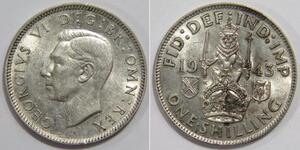
This period also serves as significant for collectors. As King-Emperor, George V was depicted extensively in numismatic media across multiple continents. While earlier monarchs like Queen Victoria utilized elaborate gold standards with complex engravings, the later reign saw a shift toward utilitarian designs due to wartime resource conservation.
- Circulation Context: Silver coins were phased out for cupro-nickel materials during and after the First World War to conserve precious metals. This changed the composition of shillings, florins, and half crowns issued by various dominions.
- The Change in Portrait Design: The transition from Saxe-Coburg-Gotha imagery necessitated careful handling of coinage legends post-1917. This change is historically significant as it mirrors the political climate where British identity was asserted distinctly separate from its continental relations.
- Mint Issues: Coins struck during his reign often bear specific mint marks indicating their origin, linking collectors to vast networks of dominion mints in Australia, Canada, and India that produced currency for global trade under the crown.
The stability George provided allowed these currencies to circulate effectively throughout turbulent decades. Collectors seeking pieces depicting this monarch often find them within specialized modern British imperial collections rather than ancient hoards. These issues offer insight into how national identity was visually communicated through state-minted metal objects that circulated daily among civilians.
The Value for the Modern Collector
Why do these items remain desirable today? They are historical artifacts from an era when coinage defined global power. By examining these issues, one can understand how political shifts influenced artistic choices on currency surfaces. The portrait of George V represents a specific vision of duty and continuity during times of immense change.
In conclusion, exploring the life of this monarch through his official coinage allows us to trace the evolution of British Commonwealth history. For students or enthusiasts alike, these pieces are tangible connections to an era where nations were redrawn on world maps.