
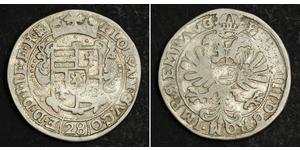
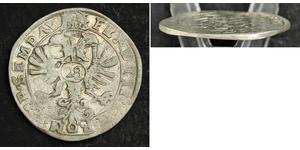
| George V of Hanover (1819 - 1878) | Link to Wikipedia |
George V (1819–1878): History and Coinage
Six feet of Prussian territory between the Weser and Elbe rivers defined the Kingdom of Hanover during a critical period of 19th-century European history. George V reigned from November 1851 until September 1866, marking one of the shortest reigns among German monarchies due to geopolitical pressures rather than internal strife.
Born in Berlin and raised amidst complex royal lineages spanning British and Hanoverian thrones, George navigated a difficult path. His blindness following early illnesses shaped his reliance on counsel during times when Prussia threatened the kingdom's sovereignty from two sides. When he rejected an ultimatum to align with Prussia against Austria, the Austro-Prussian War ended in annexation.
Nature of Currency and State Issuance
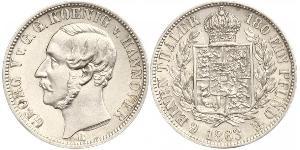
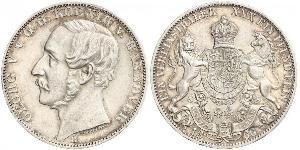
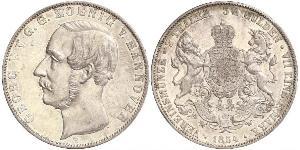
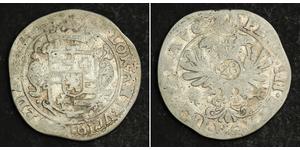
Coin collectors encounter George V primarily on state-minted currency issued by Hanover and Brunswick-Lüneburg during his lifetime. As an autocratic ruler influenced by Prussian court dynamics, he utilized coinage as a tool of authority while navigating the loss of territory.
- Minting Period: Most relevant pieces date from 1853 until the formal annexation in September 1866.
The coins were struck under his signature to legitimize rule and stabilize economy before Prussian occupation. The portrait was chosen by court engravers familiar with Guelphic traditions, maintaining stylistic consistency for a region that would soon be integrated into the Kingdom of Prussia without further royal recognition within Hanoverian borders.
The Collector's Perspective
Pieces featuring King George V attract attention for several distinct reasons beyond mere aesthetics. Their scarcity is tied directly to the abrupt cessation of Hanoverian independence; many dies were likely halted mid-production as political fortunes changed following 1866.
- Historical Significance: The coins represent a short-lived sovereignty before annexation, making them historically poignant documents rather than mere currency.
Rarity within Guelphic numismatics often comes from the lack of surviving examples from his later exile years. Collectors prize these items because they preserve tangible evidence of an era when Prussian hegemony was reshaping German statesmanship, offering a narrative link between royal lineage and national transition.


