
| George VI (1895-1952) | Link to Wikipedia |
George VI (1895–1952): History and Coinage
The Monarch of a Transforming Empire
Known to the public as King George VI, Albert Frederick Arthur George reigned from 1936 until his death in 1952. Born into aristocratic life at York Cottage, he initially faced health challenges that included stuttering and frequent illness during youth. Despite these hurdles, his character hardened after being crowned Duke of York in the early twentieth century, followed by service with the Royal Navy and Royal Air Force during World War I.
The Numismatic Portrait
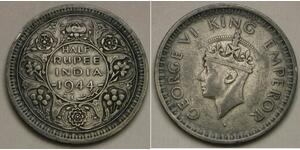
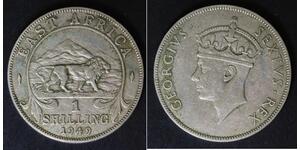
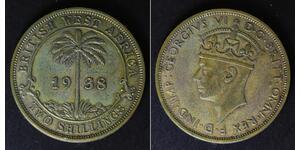
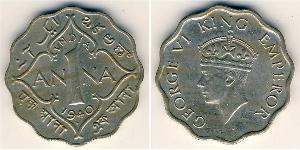
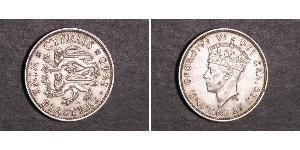
Coinage depicting King George VI was issued primarily across British dominions from 1937 onward. While his coronation in May 1937 marked the beginning of a new reign, many standard circulation patterns mirrored earlier designs by Edward VIII and George V before being simplified for wartime utility during World War II.
The portraits remained unchanged throughout most of his life to ensure continuity with previous monarchs until specific commemorative series emerged post-1945. However, political events significantly impacted the coinage's text; titles referencing India were removed following 1947 when British colonies moved toward independence and he adopted the title of Head of Commonwealth instead.
The Collector's Perspective
Collectors appreciate these coins because they physically represent a monarchy navigating global conflict. High-grade examples are sought after for their historical provenance regarding wartime production standards, which often differed slightly from pre-war imperial strikes issued by the Royal Mint in London.
- Rarity and Variety: Specific dates and mint marks can distinguish circulation issues struck under different political circumstances before or after India's independence declarations.
- Artistic Context: While the artist was often a continuation of royal tradition, these discs capture an image of resilience that defined British identity during the mid-twentieth century.
Beyond simple metal value, holding these pieces offers insight into how national sovereignty shifted on silver and brass. The transition from Emperor to Head of Commonwealth is permanently preserved in numismatic records across Sterling Zone nations today.