

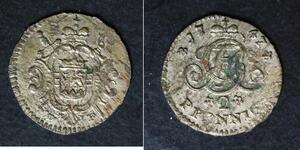
| George I (1660-1727) | Link to Wikipedia |
George I of Great Britain (1660–1727): History and Coinage
King George Louis was born in Hanover before ascending to the British throne following a unique succession that bypassed Catholic James Stuart claimants under Protestant law established by Parliament. His background as an elector-prince from Germany provided distinct cultural connections prior to accession which stabilized governance after Queen Anne's death without heirs. This transition marked the end of absolute Stuart influence and established early foundations for cabinet responsibility which influenced fiscal policies affecting monetary production throughout Europe during eighteenth century expansion into Atlantic trade markets alongside military conquests under his successors later.
Relationship to Coinage
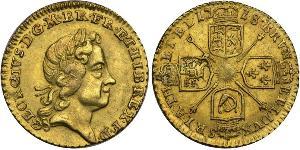
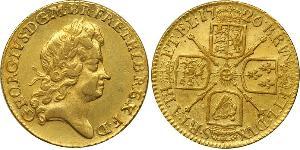
The coinages issued under George reflect his dual sovereignty over British Isles and Hanoverian territories in Germany while maintaining distinct mint marks based on local traditions. Portraits appearing on silver guineas circulated widely across Atlantic trade routes, utilizing artistic designs provided by English sculptors who captured new facial profiles differing from previous Stuart kings to assert a fresh national identity. While earlier rulers often reused dies for quick production during wartime needs like the War of Spanish Succession or Queen Anne's reign, George introduced more consistent minting standards aligned with Hanoverian prestige and British economic modernization efforts that reduced reliance on older designs associated with Jacobite opposition.
Coin collectors note these issues were struck primarily from 1709 when he ruled in Germany until his death shortly after taking formal oaths of allegiance to Britain, establishing continuity between German and British silver standards found within domestic circulation. Most coins circulated during this reign feature portraits that served political propaganda purposes reinforcing the legitimacy of a Protestant lineage through visual art displayed openly across London markets.
Why Collectors Value These Coins
The primary interest for collectors lies in their historical significance rather than market value alone, representing tangible evidence of constitutional transition during an era when money supply was closely tied to parliamentary budget approval. Pieces featuring his likeness offer insights into how state-building projects utilized currency as a unifying tool among diverse populations within the empire and beyond borders where Hanoverian influence extended military power alongside domestic administration duties.
Rare examples often possess artistic qualities attributed to engravers who worked under strict royal guidelines before modern photography techniques standardized portrait reproduction methods. Exploring this era allows enthusiasts to understand broader monetary history while holding physical artifacts associated with major political changes involving the Act of Settlement or early war funding mechanisms utilized by British forces abroad.


