| Gamal Abdel Nasser | Link to Wikipedia |
Gamal Abdel Nasser (1918–1970): History and Coinage
Gamal Abdel Nasser stands as a pivotal figure in twentieth-century history, reshaping modern Egyptian society and influencing pan-Arab dynamics through military leadership and political reforms. Born into a family with roots across the Nile Delta and Upper Egypt, his rise to power following the 1952 revolution marked a decisive shift from monarchy toward republican governance. His tenure is defined by ambitious infrastructure projects like the Aswan Dam and controversial actions such as nationalizing foreign-controlled assets in Suez. For historians examining decolonization efforts in North Africa, Nasser’s administration represents a crucial study on state-building during the Cold War era.
Relationship to Coinage
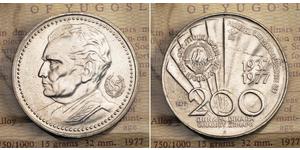
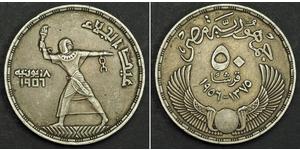
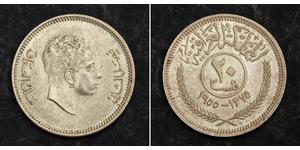
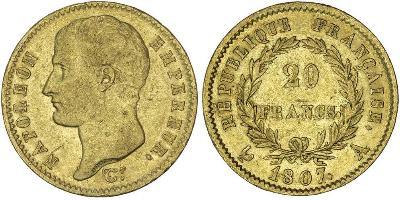
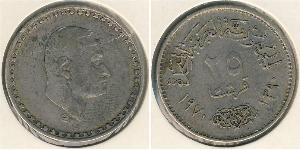
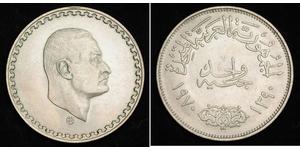
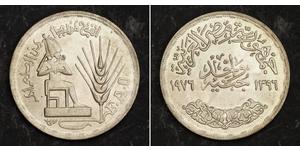
Following Egypt's full adoption of republicanism after 1953, standard circulating currency required new iconography that aligned with revolutionary ideals rather than monarchic tradition or British colonial symbols. Consequently, the portrait and name of Nasser appeared prominently on Egyptian Piastre denominations issued throughout his tenure as President. These coins were struck between 1957 and shortly before his death in 1970. Collectors will find these pieces significant as they often accompany agricultural themes representing state-driven development projects that defined the era's economic narrative. The shift to featuring a sitting president was common across Arab nations seeking to solidify national unity against imperial powers, making Egypt part of a regional trend where currency served as propaganda for stability and progress under his leadership.
Why Collectors Value These Coins
Enthusiasts seek these denominations not primarily for market speculation, but for their ability to preserve a tangible link to the post-independence movement in Egypt. The obverse designs typically utilize bold, mid-century artistic lines that reflect Western influences blended with local symbolism of independence and industrial ambition found within the nation's economy. While common types exist from his lifetime, specific varieties associated with political shifts or production errors command higher interest among specialists in modern Arabic Republican numismatics. Examining these pieces allows researchers to appreciate how a government projected its ideals onto everyday objects used by the public during one of the region’s most transformative periods. The tactile experience holds historical weight comparable to artifacts from ancient Rome, offering insight into civic pride expressed through metallic mediums rather than just paper banknotes or propaganda posters alone.