| Gallienus (218-268) | Link to Wikipedia |
Publius Licinius Egnatius Gallienus (c. 218 – 268): History and Coinage
Welcome to the story of Publius Licinius Egnatius Gallienus, a Roman emperor who navigated his realm through its most turbulent era known as the Crisis of the Third Century. Stepping into power at age thirty-five during his father Valerian’s reign in 253, he assumed command over an empire stretched thin by barbarian incursions and internal strife.
This presentation highlights Gallienus not merely as a ruler from history books but as the stabilizer who secured the Roman West against Germanic invasions. While his father faced defeat at Edessa in Persia, Gallienus maintained imperial authority over Italy, Gaul, and Illyricum. His fifteen-year reign stands out for its energy; he defeated multiple usurpers like Ingenuus and halted Alemanni incursions that once reached Rome’s outskirts.
The Coinage of an Era
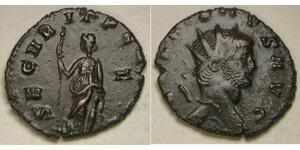
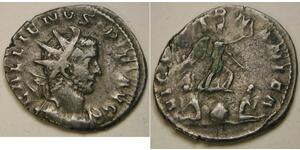
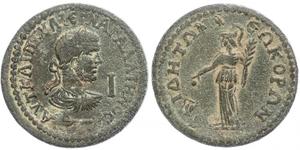
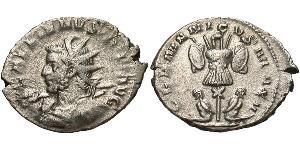
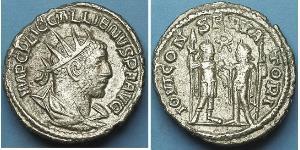
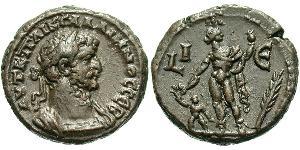
In the numismatic record, Gallienus appears as Augustus on gold denarii and silver antoniniani. The portrait type served political communication throughout his life. Initially issued jointly with Valerian to signify shared rule between east and west, coins later reflect his sole authority after 260 when control consolidated over the whole realm.
Coinage often bore legends celebrating specific victories against tribes or usurpers such as Ingenuus. Reverse types frequently depicted Victoria standing on shields symbolizing security amidst civil war turmoil. Collectors should note that mints in Rome and provincial centers like Mediolanum produced these issues to distribute legitimacy rapidly during times when standard currency circulation faltered due to regional rebellions.
The Collector’s Prize
Serious collectors value these issues primarily because they capture a pivotal moment of Roman continuity. A denarius minted in Rome after 260 carries the distinct weight of history, marking the transition from dual rule to solitary sovereignty within an autocracy.
- Rarity and Context: Coinage struck during specific suppression campaigns or those showing military titles are sought for their narrative depth regarding how emperors funded troops amidst chaos.
- Historical Continuity: The stylistic evolution of his busts illustrates artistic trends that bridge the gap to subsequent Constantinian reforms and the stabilization of later imperial portraits.
Gallienus’ legacy on coinage serves as a tangible link between republicanism and later dynastic structures. For enthusiasts seeking pieces that define survival against collapse, these antiquities offer more than monetary history; they represent a snapshot of imperial resilience during the twilight of ancient Rome.