

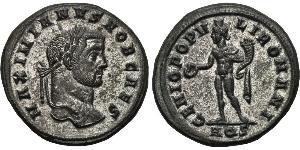
| Galerius Maximianus (260-311) | Link to Wikipedia |
Galerius c. 258 – May 311: History and Coinage
Born near Serdica or Felix Romuliana around 258, Galerius emerged from a Thraco-Roman background that reflected his frontier origins before entering service under Aurelian and Probus. His early career was marked by campaigning along the Danube against Sarmatians and Goths prior to being tasked with defending Illyrian provinces as Caesar in 293 alongside Constantius Chlorus.
Military success remained his defining trait until death, notably defeating Narseh near Mesopotamia where he seized Persian treasure and retreated enemy forces into Armenia. The Battle of Satala allowed Roman infantry to exploit difficult terrain against cavalry superiority leading to decisive triumphs along the Tigris river system.
Historians also note his administrative role in stabilizing regions after Diocletian's abdation required him to manage usurpers and internal strife. Ultimately, he altered empire policy by ending persecution via the Edict of Serdica before passing away in May 311 following a prolonged reign that witnessed significant civil wars over imperial succession.
Relationship to Coinage
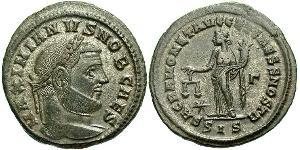
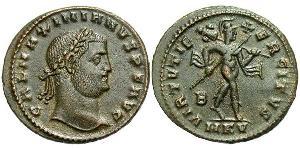
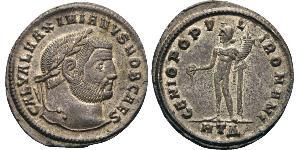
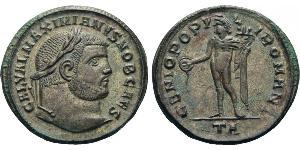
The Roman state minted bronze nummi, silver antoniniani, and gold solidi bearing Galerius' portrait during his reign as Caesar and subsequently as Augustus. These coins were distributed throughout the vast empire to standardize currency in provinces ranging from Gaul to Syria.
Coinage under his name often celebrated victories over barbarians or Persian forces, featuring reverse imagery that highlighted imperial strength and military legitimacy. The transition of power within the Tetrarchy was visually documented on coinage as he assumed higher titles while Diocletian relinquished theirs.
Why Collectors Value These Coins
Held in high esteem by numismatists, pieces depicting Galerius bridge classical antiquity and the medieval era. Their rarity often depends on mint location and specific alloy usage during times of economic strain or political transition.
Collectors seek these coins for their connection to major geopolitical shifts including the end of state-sponsored religious persecution in 311. Studying his portrait progression helps enthusiasts understand how imperial identity was crafted through artistry before becoming obsolete after Constantine's rise and official tolerance policies became dominant, making them essential reference points for late Roman history.


