

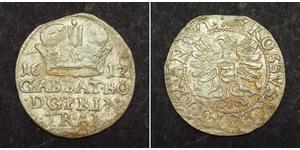
| Gabriel Bethlen, prince of Transylvania (1580-1629) | Link to Wikipedia |
Gabriel Bethlen (1580–1629): History and Coinage
The Lion of Transylvania in Historical Context
Gabriel Bethlen remains one of the most influential figures of early seventeenth-century Europe. Born into a noble family that suffered under Ottoman occupation, he rose to power through political maneuvering and military necessity. As Prince of Transylvania from 1613 until his death in 1629, he successfully balanced foreign influence with domestic autonomy. His reign was defined by a fierce defense of Protestantism against the Catholic Habsburg dynasty while navigating an alliance with the Ottoman Empire to maintain sovereignty.
The Numismatic Legacy
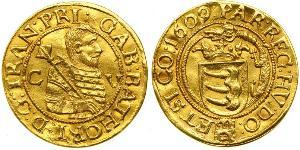
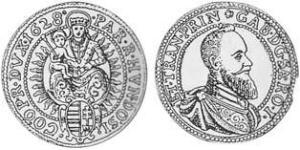
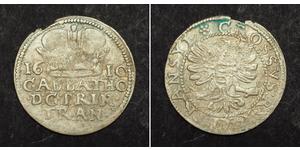
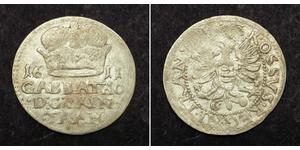
While many contemporary rulers were portrayed on currency, Gabriel Bethlen's presence is most distinctly associated with Transylvanian state coinage issued during his governance. During his lifetime and shortly thereafter, the mint of Kolozsvár (now Cluj-Napoca) produced silver Thalers and smaller denominations bearing his portrait in armor.
- Sovereign Authority: The coins were issued to legitimize his rule against Habsburg claims, visually reinforcing his authority over the principality's vast territories.
- Military Financing: As a leader engaged in frequent warfare, these coins served as critical currency for payroll and logistics during campaigns throughout Hungary and Poland.
The visual depiction on these pieces often included his coat of arms alongside Latin legends proclaiming the date of mintage. Numismatists observe that while he was never crowned King-elect in the full sense within Vienna's sphere, his own authority allowed him to control local coin issuance standards distinct from imperial issues.
Collections and Historical Value
For collectors specializing in medieval and early modern numismatics, Bethlen silver provides a tangible connection to the geopolitical shifts of Central Europe. The historical significance lies not merely in rarity but in preservation; these artifacts represent an era where regional powers frequently operated outside strict imperial monetary unions.
The artistic quality reflects the transition from late Gothic engraving styles toward Baroque aesthetics, mirroring cultural changes during his rule. Owning a piece of Bethlen's currency offers more than investment value; it provides educational insight into how local leadership was visually codified in law and finance.
- Rarity: Early issues are sought after for their survival rates outside specialized archives.
- Educational Value: They serve as primary sources illustrating regional autonomy during the Thirty Years' War period.


