
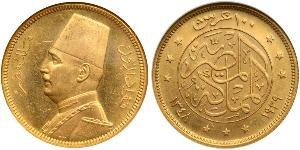
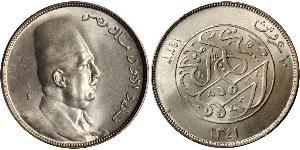

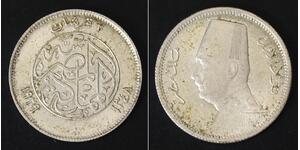
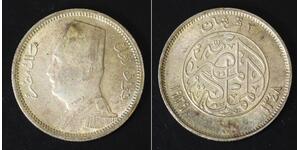
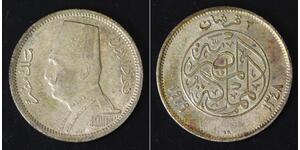
| Fuad I of Egypt (1868 -1936) | Link to Wikipedia |
Fuad I (1868–1936): History and Coinage
The Sovereign of a New Era
In the landscape of modern African history, Fuad I stands as one of Egypt's most pivotal figures. Educated in Italy at Turin Academy, his early life was marked by European influences that shaped the destiny of Muhammad Ali dynasty rulers. Ascending to the throne following an Egyptian Revolution in 1917, he faced significant challenges including national identity crises and British colonial influence.
Fuad’s historical significance is defined not only by his role as a Sultan but critically as Egypt's first King under international recognition when the country declared independence from United Kingdom protectorate status. This transformation of titles was more than ceremonial; it marked a decisive shift in state sovereignty that Fuad embodied throughout his thirty-year rule.
A Numismatic Legacy of Modern Egypt
Fuad I is frequently depicted on silver and gold coinage representing the transition from an Ottoman-style Sultanate to modern monarchy. The coins minted during this era often feature inscriptions reflecting the new title "King" rather than "Sultan," mirroring the geopolitical shift established in 1922.
Coin Circulation:
- The Transition Period (Pre-1923): Coins often display royal insignia associated with his role as a military leader and university educator, bridging traditional dynastic imagery with modern statecraft.
- The Independence Issue (Post-1922): Collectors will frequently find coins featuring the title "King" to mark this pivotal moment of national independence. The removal of Ottoman-style symbols from coinage reflects Fuad's efforts to establish a distinct Egyptian identity separate from his father and grandfather.
- The Final Reign (1930–1936): During the last years of his life, coins circulated featuring updated designs as constitutional changes were debated. These pieces provide tangible evidence of Fuad's attempts to consolidate royal power against legislative bodies.
Fuad is an essential figure in numismatic collections for those tracking modern Egyptian history or collecting non-European imperial issues. The presence of his portrait on currency serves as a physical testament to the struggle between monarchy and constitutional democracy that characterized his reign.


