| Friedrich Schiller | Link to Wikipedia |
Friedrich Schiller (1759–1805): History and Coinage
The Cultural Titan of Weimar Classicism
Johann Christoph Friedrich von Schiller stands as a monumental figure in the history of German literature, born on November 10, 1759. Though originally intended for the priesthood by his devout Protestant family, young Shiller redirected his path toward medicine and law before entering an elite military academy. It was during this tumultuous period that he penned The Robbers, a revolutionary work depicting social corruption which led to his brief imprisonment in 1782. He eventually found refuge as a professor of History and Philosophy at the University of Jena, where he forged a profound intellectual partnership with Johann Wolfgang von Goethe.
Schiller's legacy endures because his works defined an age known as Weimar Classicism, influencing European thought well into the twentieth century. His ennoblement in 1802 added "von" to his name, granting him aristocratic status which later facilitated formal honors from ruling states that wished to associate themselves with Germany’s highest literary ideals.
Numerary Legacy and State Commemorations
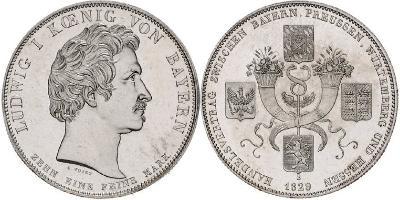
In the realm of numismatics, Schiller differs significantly from political rulers who adorned currency. During his lifetime, he did not appear on circulating small change or sovereigns issued by Württemberg or Saxony-Weimar in a standard capacity because such states typically reserved coin portraits for their reigning Dukes and Kings.
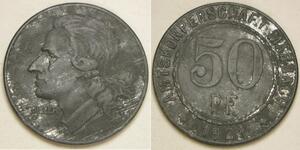
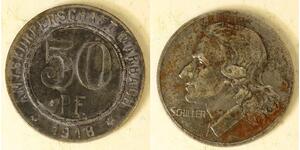
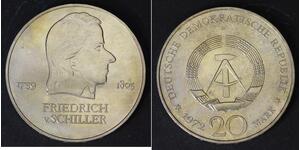
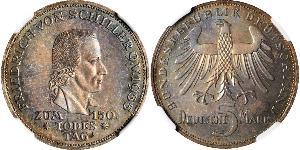
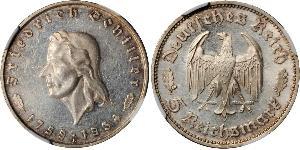
Possibly appearing first as commemorative medals rather than coins during the 1800s, official mint issues featuring his likeness largely emerged posthumously. It was once believed his remains lay in Weimar's Ducal Vault; however, DNA analysis later revealed this skeleton was not Schiller’s. Despite such historical corrections, numismatic pieces bearing his image remained significant markers of cultural pride. Various German states issued limited commemorative strikes honoring him as a national icon rather than a monarch. These issues were particularly common after the 1870s when Germany unified and sought to cement shared history through celebrated figures.
Rarity and Historical Context for Collectors
The value of these numismatic items lies in their educational capacity to connect modern observers with earlier German identity formation. For a collector, finding an item from the period surrounding his ennoblement or the founding of Weimar Classicism provides tangible proof of how literary reputations were formalized by political powers.
- Rarity: Unlike common circulation coins, medals and special issues featuring Schiller are distinct artifacts that require specific research to authenticate mintmarks from Saxony-Weimar or later German states.
- Narrative Depth: Each coin tells a story of how art was elevated to state importance during the transition between Enlightenment ideals and modern nation-building.
Schiller remains vital for collectors seeking pieces that reflect humanistic values rather than mere dynastic power, offering insight into when cultural achievements were deemed worthy enough to immortalize alongside kings upon copper or silver plate.