| Friedrich II, Duke of Anhalt (1856 – 1918) | Link to Wikipedia |
Friedrich II, Duke of Anhalt (1856–1918): History and Coinage
The Curator's Perspective: A Monarch at the End of an Era
Welcome to our exhibit on Friedrich II. Born in Dessau, he entered a court defined by deep tradition yet facing rapid change during the German Empire's twilight years. Though only a second son initially, his elder brother Leopold died unexpectedly before their father succeeded as Duke. This ascended heir became hereditary Prince and eventually ruled Anhalt from 1904 until 1918.
Friedrich was not merely an administrator; he cultivated the arts with great passion. His love of music transformed his Court Theatre into a celebrated institution across Europe, where artists gathered in Dessau under his patronage. A Grand Master of significant orders and a Knight of the Black Eagle, Friedrich also responded to World War I by instituting the famous Friedrich Cross for wartime merit. He died at Ballenstedt Castle in 1918 after serving as one of Germany's final sovereign princes before the abdication waves of that year.
The Connection Between Duchy and Currency
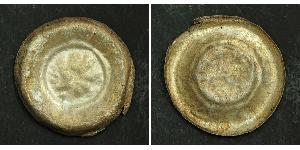
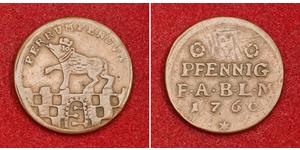
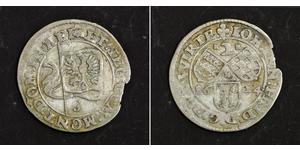
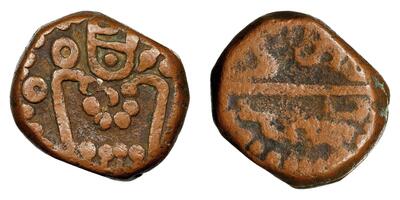
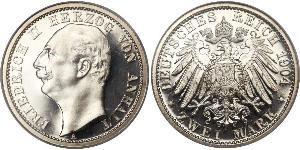
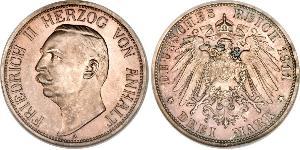
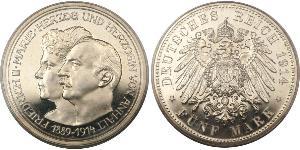
During his reign, Anhalt maintained its own minting rights within the broader Imperial framework. The portrait of Friedrich appeared on coinage issued by his House between 1904 and the war's end. These issues were typically produced in silver to circulate local trade before federal currency reforms standardized German money.
Coin collectors find these pieces distinct because they represent a specific sovereign entity at the time of national political dissolution. While large-scale circulation coins are common, commemorative medals struck for his war decorations—specifically associated with the Friedrich Cross he created—are often considered prized numismatic objects rather than everyday currency. These items were minted to honor soldiers and civilians alike during the conflict.
Rarity in Historical Collections
- Historical Significance: Owning a piece of this era helps collectors understand how small states operated alongside major powers like Prussia before 1918 revolutionized German history.
- Artistic Quality: Late Imperial coinage often featured detailed engravings by master die-cutters, showcasing the aesthetic tastes of a monarch known for supporting theater and opera.
- Rarity Factor: Coins struck immediately before or during his death are scarce because many mints ceased production rapidly as political unrest spread across Germany in 1918.
By studying Friedrich II's rule, we trace the final chapter of local monarchy. For collectors today, a coin bearing his likeness is not just metal; it is a tangible record of Anhalt's cultural influence and political endurance during one of Europe's most turbulent periods.