| Frederick William II of Prussia | Link to Wikipedia |
Frederick William II of Prussia (1744–1797): History and Coinage
Frederick William II stands as a pivotal figure in eighteenth-century European monarchy, serving as King of Prussia from 1786 until his death. Unlike the militaristic image often associated with his famous uncle Frederick the Great, he embodied an era defined by artistic patronage and conservative consolidation. His reign marked a significant shift in Prussian statecraft away from radical Enlightenment ideals toward stricter censorship and religious control. Yet, as a talented musician and cellist, he remained deeply connected to high culture.
The Numismatic Legacy
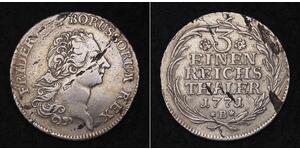
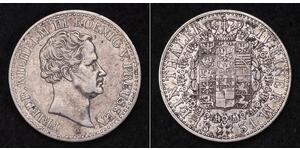
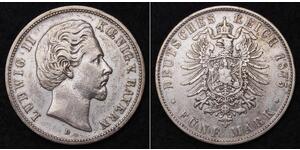
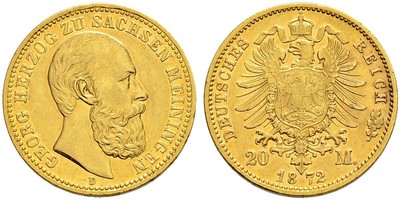
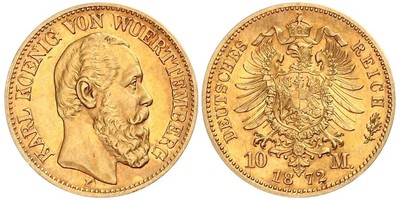
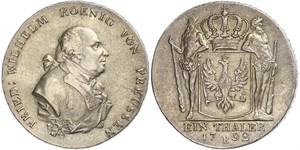
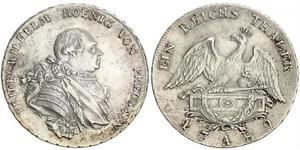
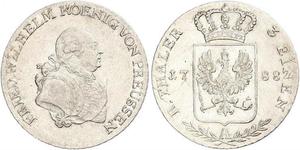
During his rule, the Kingdom of Prussia maintained official minting operations that issued silver coins bearing the busts and names of its sovereign. Collectors find these issues informative regarding the stability of the state during a volatile period in Europe while avoiding revolutionary chaos across France.
- Lifetime Issues: Coins minted between 1786 and 1797 display his portrait alongside standard imperial insignia, establishing continuity despite political shifts.
- Political Context: His reaction to the French Revolution influenced state iconography on currency, emphasizing order over revolutionary change during a time when neighboring states were in turmoil.
- Cultural Impact: Artistic sensibilities translated into coin design choices that often prioritized refined profiles rather than martial displays typical of earlier Prussian monarchs.
The decision to feature the King's portrait served as a diplomatic signal. It reaffirmed Prussia's sovereignty in international markets and internal politics, particularly after ending German Dualism with Austria. Posthumous issues continue this narrative for historians tracking regional economies before 1870.
Appeal to Modern Collectors
Scholars appreciate these pieces as tangible links to the transition of Prussia from an Enlightenment state to a conservative kingdom under his specific influence. Rarity often stems not just from low production numbers, but from wartime damage or hoarding during later conflicts involving Napoleon.
- Rarity: Specific denominations remain scarce due to early collection practices and the scarcity of silver currency in this transition period.
- Educational Value: They illustrate the artistic tastes of a monarch who favored music, architecture like the Brandenburg Gate renovation, over military expansion in public display contexts reflected on metal form.
- Cultural Significance: Owning these coins offers insight into how Prussia navigated revolutionary turmoil through financial stability and maintained sovereignty under pressure.
For enthusiasts exploring the early nineteenth-century European numismatic landscape, examining Frederick William II's coinage provides a unique perspective on sovereignty beyond the battlefield. It complements architectural and artistic collections by anchoring visual history in metal form, inviting collectors to study the subtle changes in state identity during this era.