| Frederick William III of Prussia (1770 -1840) | Link to Wikipedia |
Frederick William III of Prussia (1770–1840): History and Coinage
Frederick William III stands as a pivotal figure in Prussian history during the early nineteenth century. Ascending the throne following his father's death, he navigated an era defined by French domination and eventual resurgence of sovereignty. Unlike his military predecessors who sought glory on battlefields, his legacy rests upon profound administrative and religious reformations within Germany's largest kingdom. His reign marks a crucial transition from feudal structures to modernized state administration under the guidance of influential advisors like Hardenberg and Scharnhorst.
This era saw Prussia emerge as a central European power capable of defeating Napoleon through internal resilience rather than raw might alone. The king was characterized by personal piety and moral determination, traits that influenced the iconography surrounding his monarchy during this turbulent period of conflict with France.
The Connection to Coinage
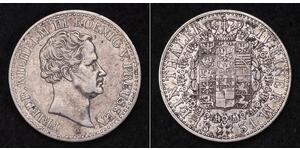
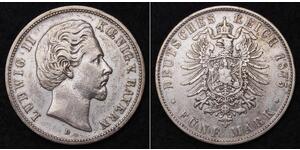
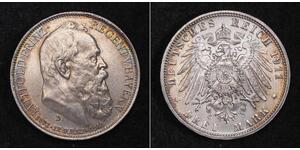
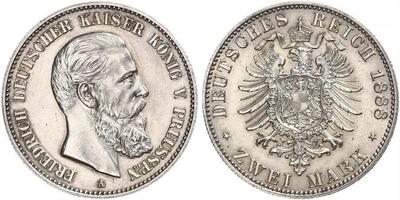
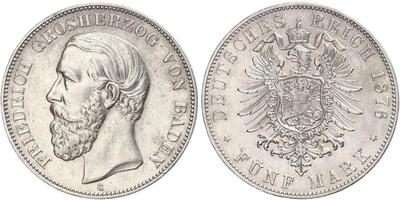
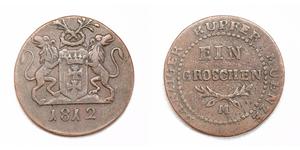
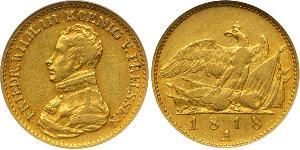
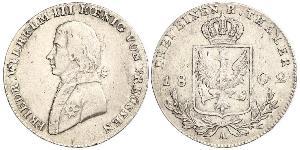
During his reign, the Kingdom of Prussia utilized silver coins such as Thalers and Groschen to circulate currency across its expanding territories following territorial adjustments at Vienna. The effigy found on these metal discs often mirrored contemporary portraits by court sculptors, capturing a somber visage that reflected his shy personality and intense piety.
Coins minted throughout the period served dual purposes: facilitating commerce in occupied regions before 1806 while symbolizing national pride after 1815 when Prussia expanded its borders significantly. Engravers sought to project stability during times of significant political upheaval, utilizing standard imperial iconography that emphasized royal authority and religious devotion rather than martial triumphs which characterized his contemporaries in other German states.
The Value for Collectors
For the numismatist, specimens featuring Frederick William III offer more than aesthetic value; they provide tangible links to Prussia's financial reconstruction after 1806. While silver denominations from this period command respect based on wear and mint marks rather than extreme scarcity alone, their historical significance is paramount for serious students of monetary history.
Collectors appreciate how these issues document the end of imperial fragmentation in favor of a centralized royal authority. Acquiring a piece with an early date or unique provincial mark helps enthusiasts grasp how currency flowed through occupied lands versus restored sovereign territory. These artifacts remain essential for understanding the evolution of modern German state identity before political unification occurred later in the century.