| Frederick V of Denmark (1723 - 1766) | Link to Wikipedia |
Frederick V of Denmark (1723–1766): History and Coinage
The reign of King Frederick V represents a distinct transition in Danish history, marked by a shift from strict religious devotion to the economic pragmatism characteristic of the Age of Enlightenment. Ascending to the throne in 1746 at age twenty-three, he governed a nation that had moved away from costly wars and towards flourishing trade. Born within the antiquated walls of Copenhagen Castle before moving to Christiansborg Palace as his father ascended, Frederick was known for being more open than previous monarchs. He cultivated friendships with commoners rather than isolating himself in court protocol.
The Monarch's Numismatic Presence
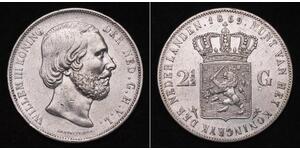
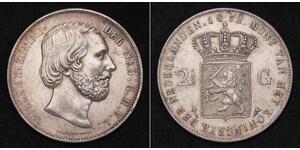
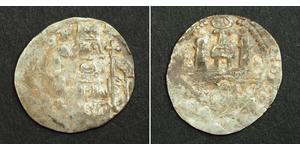
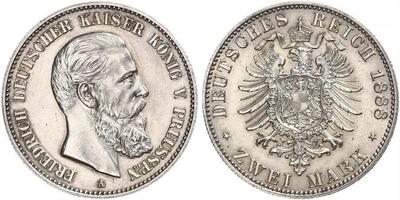
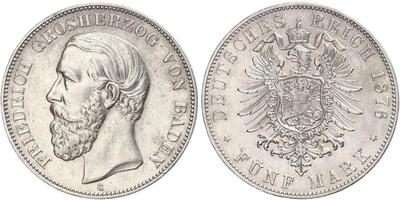
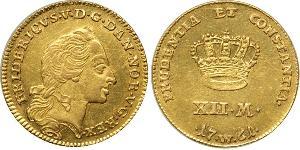
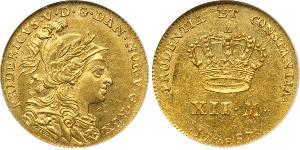
Much like other sovereigns of the eighteenth century, the portrait and title of King Frederick appeared on silver rixdalers and brass coins circulating through Scandinavia. These tokens were struck during his lifetime to facilitate commerce within Copenhagen and Norway. While many absolute monarchs issued currency as a tool of state power with little personal investment in design or history, records indicate that this king possessed a distinct appreciation for numismatics.
This interest was significant because it suggests he understood the medium beyond mere taxation tools. The coinage reflects his administration's desire to maintain stability and economic freedom without engaging foreign conflicts. When collectors seek these historical silver coins, they are examining artifacts from an era where Denmark prioritized maritime trade over military conquest. These issues serve as a tangible connection to the diplomatic balance of power maintained by his capable ministers.
The Appeal for Collectors
Scholars and enthusiasts prize this period's coinage because it encapsulates a peaceful epoch in Nordic history where science, art, and industry flourished. The historical context is invaluable; understanding Frederick's reign explains the economic stability found on his currency compared to war-torn neighbors.
- Educational Significance: These coins illustrate how Enlightenment ideas influenced royal governance without changing monarchial portraits drastically.
- Rarity Factors: Specific silver denominations from this thirty-year reign are less common than the prolific issues of his predecessors or successors, adding to their scarcity value for specialists.
Beyond mere financial worth, possessing a coin depicting Frederick V offers insight into the character of an era that balanced traditional royalty with modern economic thinking. For those curating a collection focused on European trade history, these pieces provide immediate access to understanding how Denmark-Norway navigated its independence while maintaining stability during mid-century Europe's tumultuous landscape.