| Frederick I of Sweden (1676 - 1751) | Link to Wikipedia |
Frederick I of Sweden (1676-1751): History and Coinage
Frederick I served as a pivotal figure in early eighteenth-century Swedish history, ruling from 1720 until his death in 1751. A native son of Hesse-Kassel who ascended the throne following the tragic demise of Charles XII, Frederick's reign marks a complex transition in European monarchies. He initially functioned as Prince Consort to Queen Ulrika Eleonora before assuming the crown himself after her abdication and relinquishment of power by the Riksdag.
Historical significance lies in his tenure representing Sweden’s shift from an absolutist empire following the Great Northern War toward a more constitutional parliamentary structure. His character is often described as passive, preferring hunting to statecraft, which led him to be succeeded posthumously without legitimate heirs of his own line. This era symbolized the acceptance that Sweden was no longer a first-rank European power and had lost significant territories to Russia.
Relationship to Coinage
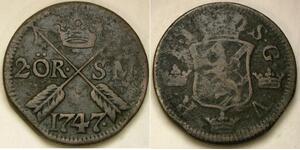
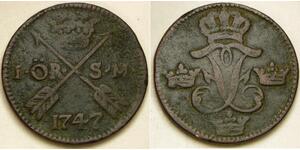
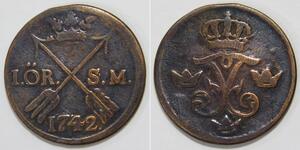
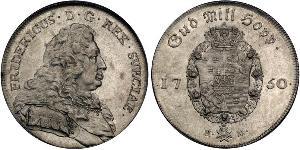
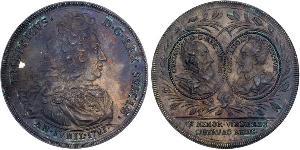
Coinage depicting Frederick I primarily circulated within the Swedish realm, though specific issues are often associated with his dual identity as Landgrave of Hesse-Kassel. While he was crowned in 1723 following a period of limited authority, silver currency from this era typically bore royal monograms and titles rather than emphasizing personal achievements like military command.
The portrait or title placement on coins served to legitimize the Estates' choice during a turbulent political climate dominated by the Hat Party. Coins issued during his lifetime reflect standard 18th-century numismatic traditions, featuring heraldic symbols and regnal dates that mark sovereignty rather than individual policy victories like order foundation.
Why Collectors Value These Coins
The appeal of coins from this period extends beyond artistic merit; they capture a specific historical moment. Numismatists interested in constitutional development look for how royal authority was symbolized on metal during the decline of absolutist rule.
- Historical Narrative: These pieces document the end of Charles XII's influence and the rise of parliamentary dominance.
- Rarity and Condition: Surviving examples in high preservation are sought after for their ability to illustrate state administration during a period of transition.
Frederick I remains an important subject for those exploring early modern European currency. Collectors gain insight into the diminishing power of kings by examining how his image was presented on coin, reflecting both official state representation and political reality without direct personal intervention in their creation or design approval process.