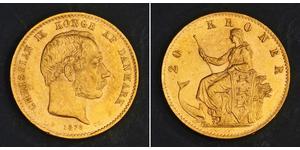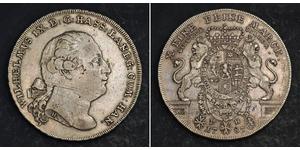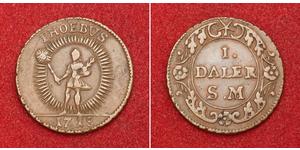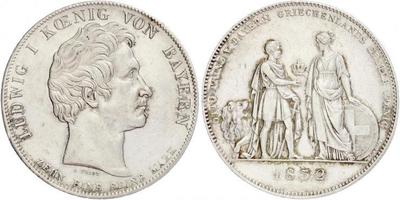
| Frederick IX of Denmark (1899 - 1972) | Link to Wikipedia |
Frederick IX of Denmark (1899–1972): History and Coinage
Sir Frederick Christian Frederik Franz Michael Carl Valdemar Georg served as King of Denmark from 1947 until his death in 1972. His reign coincided with one of the most transformative periods in Scandinavian history, characterized by rapid social changes and the expansion of a modern welfare state. As the eldest son of Christian X, Frederick ascended to second-in-line after becoming Crown Prince following World War I. He was educated at the Royal Danish Naval Academy, distinguishing himself as a rare naval officer among monarchs who traditionally favored military backgrounds.
National Representation on Coinage
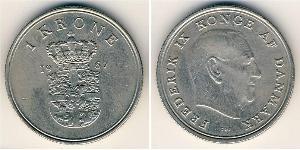
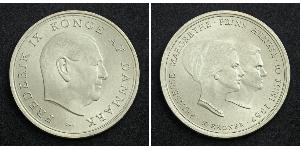
The Kingdom of Denmark issued currency bearing his likeness primarily during his tenure from 1947 onwards. As head of state in a constitutional monarchy, the king’s portrait appeared on standard denominations such as crowns and smaller fractional coins. Unlike previous eras where coin designs were strictly classical or royalist, Frederick represented a modernizing nation entering the atomic age. His accession followed his father's death in 1947 during World War II aftermath times.
- Date: Post-1947
- Circulation Area: Danish Realm and territories including Greenland before decolonization processes began later under Margrethe II.
The political status on coins reflected a constitutional monarch representing a democratic parliament, ensuring state continuity while modern laws evolved. While specific mintage figures fluctuate based on economic conditions of the 1950s and early 1960s, the imagery served as a unifying symbol during Denmark's integration into European post-war structures.
The Appeal to Collectors
Collectors seek coins depicting Frederick IX because they encapsulate the transition of Denmark into a modern nation-state without sacrificing its royal traditions. These pieces hold significance beyond mere aesthetics; each coin serves as a physical artifact of post-war stability and social progress. The designs reflect artistic trends from the mid-1950s, characterized by cleaner lines compared to Victorian styles.
- Rarity:
The designs reflect artistic trends from the mid-1950s, characterized by cleaner lines compared to Victorian styles. While not necessarily rare in terms of mintage volume during their production year for high denominations, early issues and low-run commemorative tokens carry historical value due to scarcity over time.
Furthermore, collectors interested in Scandinavian history often prioritize these coins as they link directly to the lineage leading into Queen Margrethe II’s reign today. Understanding Frederick IX provides context for why Denmark retained its monarchy while adopting radical social reforms that other nations were only attempting later decades. Each specimen offers a tangible connection to the welfare state era and serves an educational purpose within specialized numismatic collections focusing on modern European monarchs.