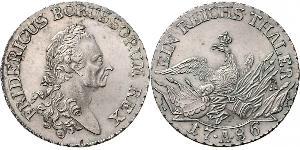
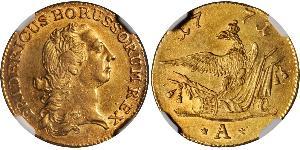
| Frederick II of Prussia (1712 – 1786) | Link to Wikipedia |
Frederick the Great (1712–1786): History and Coinage
Frederick II of Prussia stands as a monumental figure in European history, often referred to historically by his title, Frederick the Great. Born into an era dominated by rigid absolutism, he redefined monarchical power through enlightened reform.
A Life of Reform and War
Rising from early clashes with a militaristic father who despised philosophy, Frederick ascended to the throne in 1740 at age twenty-eight. His reign transformed Brandenburg-Prussia into a major European power through decisive military victories against Austria. Beyond the battlefield, he was an avid patron of arts and philosophers.
Frederick viewed the ruler as the first servant of the state rather than its master above the law. He pursued religious tolerance within Protestantism’s fold while maintaining strict control over government affairs to encourage immigration from diverse backgrounds. This vision created a society where merit mattered more than birth, and his personal interests in literature and music distinguished him among contemporary military monarchs.
A Portrait on Currency
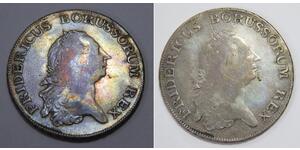
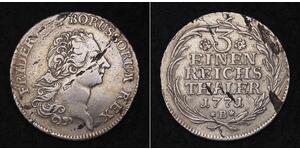
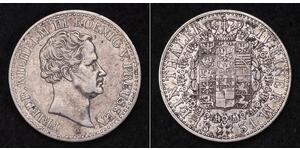
The minting of coinage during Frederick’s reign served dual purposes: asserting sovereignty after the coronation as King of Prussia rather than Brandenburg-Prussia, celebrating victory following the annexation of Silesia. The Prussian government issued numerous copper, silver, and gold pieces bearing his bust, often encircled by laurels symbolizing triumph.
A Collector’s Perspective
- Rarity: High-grade examples from his reign are sought after, particularly those struck during the Silesian wars when demand for currency spiked alongside military production.
- Museums Context: These coins provide tangible evidence of Prussia’s geopolitical expansion. Collectors appreciate how these pieces reflect a transition in statecraft from feudal obligation to bureaucratic efficiency.
Frederick’s coinage remains a prized element of any comprehensive collection covering Prussia. The imagery speaks to an ambitious state building its foundation, bridging the gap between military glory and artistic refinement for future generations. Enthusiasts are encouraged to examine these artifacts as they hold keys to understanding the intellectual atmosphere that defined one of Europe's greatest powers during the eighteenth century.