| Frederick III of Denmark (1609 -1670) | Link to Wikipedia |
Frederick III of Denmark (1609–1670): History and Coinage
Frederick III was a pivotal figure in Scandinavian history who transformed the Danish-Norwegian realm from an elective monarchy into one of absolute royal authority. Born in Haderslev on March 18, 1609, he rose to power after his older brother's death and formalised hereditary succession upon crowning himself king later that year. His reign marks a critical transition period for the nation, moving away from noble estates controlling state affairs towards centralized sovereignty under the throne.
This political evolution is directly reflected in the currency minted during his rule. While he began as an administrator of ecclesiastical territories like Verden and Bremen before ascending to Danish-Norway's high seat, his later coinage serves a different purpose than merely circulating trade value; it functioned as a tool for state propaganda.
The Connection Between Crown and Coin
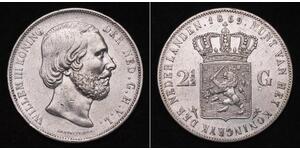
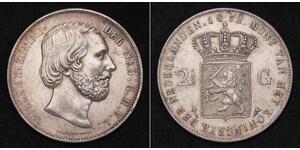
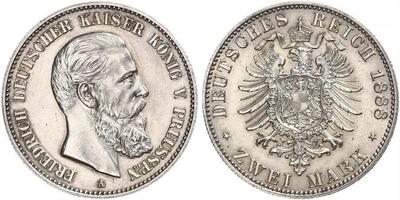
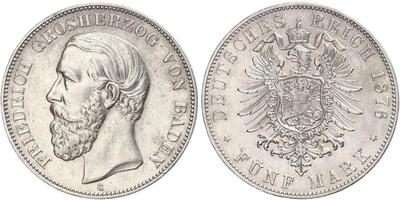
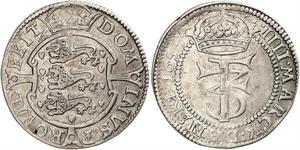
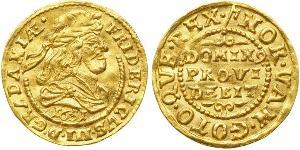
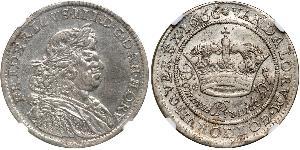
Frederick III was depicted on coins issued by the Kingdom of Denmark and Norway. In these early modern states, minting rights were often shared with nobles or cities to assert control over regional trade. By 1660, when Frederick instituted absolute monarchy, he centralised this authority. Consequently, his portrait began appearing consistently as a symbol of unified command rather than divided governance.
The historical circumstances surrounding these pieces are significant. Following territorial losses in the Dano-Swedish Wars and diplomatic concessions like the Treaty of Roskilde, internal consolidation became paramount. The royal seal on currency represented his new independence from the Rigsraadet (royal council). These coins circulated during a time when Denmark-Norway was reorganising its borders and legal codes, making them tangible artifacts of this geopolitical restructuring.
A Gem for Collectors
Coin collectors often seek these pieces not solely for market price but for their educational narrative. A few factors drive the value and interest in numismatic holdings featuring Frederick:
- Sovereignty Shift: Coins mark the exact moment Denmark-Norway solidified its modern absolute monarchy, distinct from previous elective traditions.
- Rarity of Contexts: Early issues minted for his roles in Bremen or Verden offer a glimpse into a dual-identity prince before full kingship was established.
Possessing such coins provides enthusiasts with insight into the visual culture of seventeenth-century Europe. The artistry and legends stamped on these metals tell the story of a ruler who defined his own legacy through both law and currency. Whether studying metal composition or historical iconography, each specimen serves as evidence of how national identity was forged in gold and silver during this era.