| Frederick Augustus, Prince of Anhalt-Zerbst (1734 – 1793) | Link to Wikipedia |
Frederick Augustus, Prince of Anhalt-Zerbst (8 de agosto 1734 - 3 de marzo 1793): Historia y Numismática
Frederick Augustus fue un príncipe alemán de la Casa de Ascania que gobernó el Principado de Anhalt-Zerbst hasta su extinción familiar en 1796. Su figura histórica trasciende las fronteras locales debido a sus roles diplomáticos y políticos dentro del complejo mosaico del Sacro Imperio Romano Germánico antes de los reorganizados cambios territoriales finales del siglo XVIII.
Nacido en Alt Stettin, ascendió al trono a la edad de trece años tras la muerte de su padre. A pesar de ser un monarca de estado menor comparado con sus homólogos imperiales, Frederick Augustus es recordado por decisiones que moldearon el entorno geopolítico europeo. Fue uno de los pocos gobernantes alemanes dispuestos a enviar tropas para apoyar a Gran Bretaña durante las Revoluciones americanas, una decisión costosa pero notable moralmente en su época. Además, otorgó la tolerancia religiosa en sus tierras en 1776 y gestionó conflictos diplomáticos que eventualmente lo llevaron al exilio antes de fallecer en Luxemburgo.
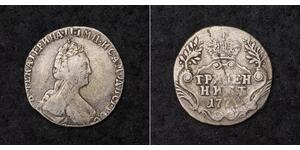
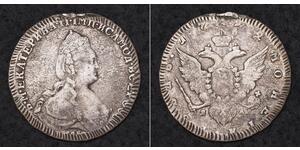
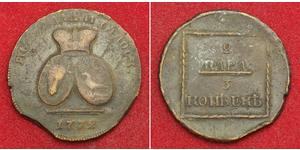
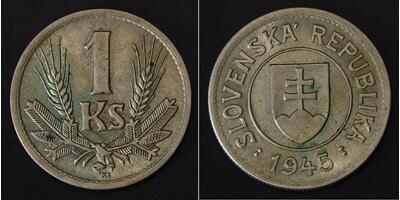
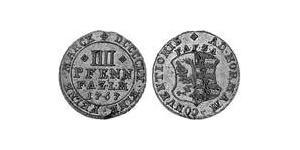
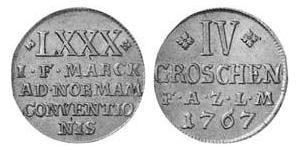
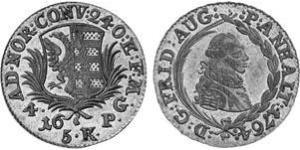
Dentro del campo numismático, el estudio de las monedas emitidas bajo la autoridad de Frederick Augustus ofrece una ventana única a la autonomía local de los pequeños principados alemanes. Durante su reinado (1747-1793), sus tierras produjeron moneda oficial dentro de los sistemas circulatorios regionales del siglo XVIII, típicamente en plata y denominaciones similares al Thaler. Es crucial para el coleccionista entender que estas emisiones circulaban paralelamente a la moneda imperial o real antes de las reformas napoleónicas.
Las monedas asociadas con este periodo son valiosas no tanto por su masa, sino como documentos de soberanía local y gestión monetaria. Representan un período anterior a la centralización financiera bajo el Prusismo posterior, donde cada familia principesca mantenía cierto control sobre sus emisoras locales. La extinción del linaje en 1796 marcó el fin directo de estas emisiones oficiales independientes antes de las redibujaciones políticas que ocurrieron con la caída de Napoleón.
- Rareza: Las piezas conservadas de este período son menos comunes en el mercado internacional debido a su origen regional y menor circulación globalizada hasta fechas posteriores.
- Importancia histórica: Reflejan la estabilidad económica antes del conflicto prusiano que forzó su huida, permitiendo analizar las fluctuaciones monetarias de pequeñas potencias europeas.
- Atractivo educativo: Ofrecen a los estudiantes y amantes de la historia material tangible sobre cómo funcionaba el comercio en Alemania bajo la soberanía principesca del siglo XVIII.
Para coleccionistas principiantes e intermedios, estas piezas son oportunidades para construir una colección temática que explore no solo monedas grandes, sino también las raíces históricas de los pequeños estados europeos. Explorar esta figura invita a reflexionar sobre la diplomacia internacional y el comercio colonial europeo en sus etapas menos visibles.