| Frederick Augustus I of Saxony | Link to Wikipedia |
Frederick Augustus I {1750–1827}: History and Coinage
Welcome to our collection of sovereigns from the Wettin dynasty. Frederick Augustus stands as a pivotal figure in central European history, marking the transition of Saxony from an Electorate within the Holy Roman Empire to a modern Kingdom during the tumultuous Napoleonic era.
The Numismatic Legacy
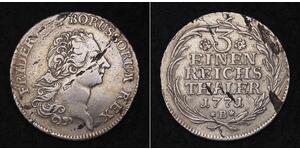
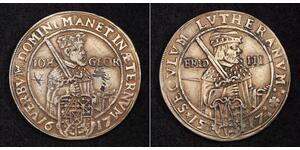
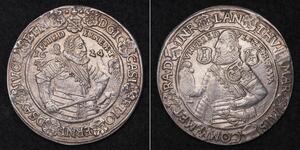
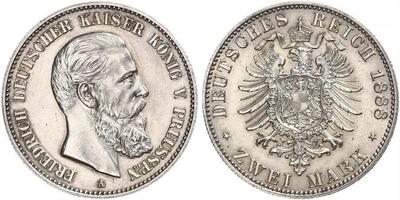
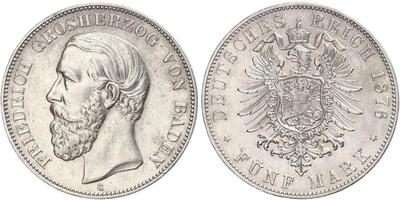
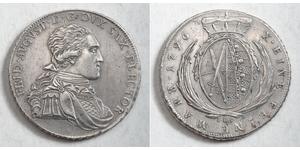
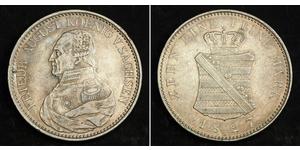
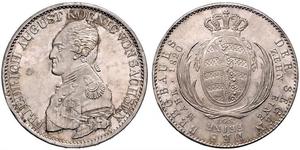
The story told by his currency reflects the rapid geopolitical shifts of his reign. Initially appearing on coinage as Frederick Augustus III, he served as the last Elector until 1806. His elevation to King is starkly visible in the mint output of Saxony, where traditional silver thalers giving way to gold florins displayed royal coronets rather than electoral insignia. Following his alliance with Napoleon after the fall of Jena and Auerstedt, he was named Grand Duke of Warsaw. This brief connection placed him at the center of a unique numismatic narrative involving both Saxon territory and Polish lands within French influence.
Saxony issued currency under various mints throughout his life, but the designs changed significantly after 1806 to reflect new borders and treaties like Tilsit. Collectors note that coins from this period carry heavy historical weight because they were minted amidst the dissolution of older structures and the birth of nation-states in Germany.
Collecting Significance
- Historical Context: These pieces are essential for studying the end of an empire that had governed Europe for over a millennium. The coins serve as tangible evidence of state sovereignty changing hands between Prussia, France, and Austria.
- Rarity and Condition: Mintage often ceased or fluctuated drastically during military campaigns, making high-grade examples scarce. Coins featuring his profile from 1807 onward are particularly sought after for their historical density rather than just aesthetic appeal.
- Educational Value: For the beginner collector, examining these items offers a window into how political borders reshaped currency production. The portraits often reflect classical artistic styles popular during early nineteenth-century regency periods.
We encourage enthusiasts to compare Saxony coinage from his reign with other German states of 1806 or 1815. Each issue reveals a different aspect of the struggle for independence and peace following Napoleon's defeat, preserving Frederick Augustus' memory as one who navigated these complex waters while maintaining dignity on gold and silver alike.