| Francisco Franco (1892 – 1975) | Link to Wikipedia |
Francisco Franco (4 December 1892 – 20 November 1975): History and Coinage
Franco, born in Ferrol, Galicia, rose through the Spanish military ranks during a turbulent century. Originally serving as a naval officer before joining the army after academy restrictions impacted new entrants between 1906 to 1913, he commanded Nationalist forces that secured victory against the Second Republic. This period of consolidation established him as head of state until 1975, overseeing an era often termed Francoist Spain.
The nation's economy faced challenges following years of conflict and isolation. Technocratic policies implemented under his administration drove a recovery known historically as the Spanish miracle, integrating Spain into European trade networks while maintaining internal control.
Currency Issuance During His Rule
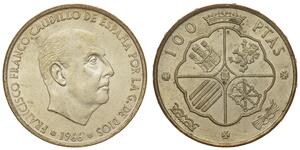
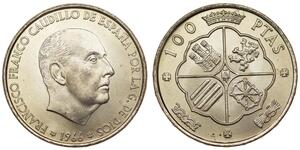
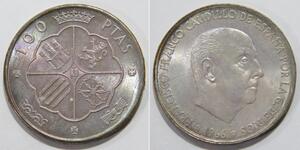
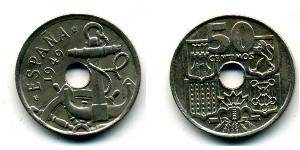
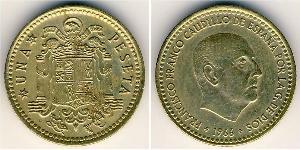
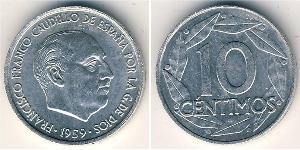
The national bank minted legal tender throughout most of his leadership tenure, starting shortly after 1936 and continuing into the mid-1970s. These coins circulated daily during a time when Spain restructured its economy for international participation.
- Pesetas: The primary coinage bore inscriptions referencing national unity and order, symbolizing political consolidation after civil strife.
- Minting Authority: Production shifted from military oversight to the state machinery of Madrid as democratic influence grew in international circles during Cold War years.
Nuances for Collectors
The historical context makes these metal artifacts particularly interesting. Early issues reflect a strict authoritarian government, while later designs incorporate symbols suggesting economic prosperity and stability as relations with Western powers improved during the Cold War era of reconstruction.
Possession of such numismatic pieces allows enthusiasts to physically engage with Spain's transition from conflict-driven nationalism to its modern democratic framework established by King Juan Carlos after 1975. Variations found in these strikes—often distinguished by date or denomination—are highly sought for preserving the integrity and identity changes that occurred within a single lifetime.
For history enthusiasts, examining this coinage provides insight into how states utilize art to legitimize power during periods of significant political transformation while managing economic recovery. Understanding the shift from military control toward technocratic governance helps explain design choices seen on these historic denominations.