
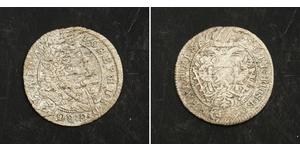
| Francis II Rákóczi (1676 – 1735) | Link to Wikipedia |
Francis II Rákóczi (1676–1735): History and Coinage
The Guardian of Hungarian Liberty
In the annals of Central European history, few figures embody the struggle for national sovereignty quite like Francis II Rákóczi. Born in 1676 within the grandeur of Borša Castle and elevated to the status of Prince of Transylvania through the Estates Confederation, he stands as a monumental symbol of resistance against Habsburg dominance during his War of Independence (1703–1711). Unlike many contemporaries who seized thrones for personal aggrandizement, Rákóczi famously declined the royal crown. Instead, he accepted the title of "Ruling Prince," signaling that his authority derived from the will of the Estates rather than hereditary right. Today, this legacy secures his place as a national hero in Hungary and Transylvania.
The Numismatic Legacy
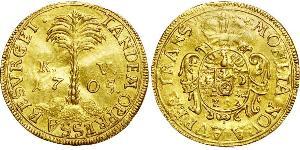
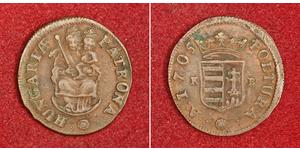
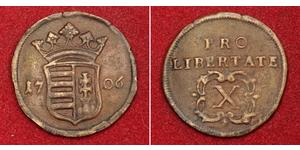
Rákóczi's connection to currency is deeply intertwined with the economic reality of war-fueled independence movements. Facing an existential threat from imperial forces, Rákóczi needed immediate liquidity to sustain his army and administration in occupied territories where traditional Habsburg silver coinage was scarce or unreliable. Consequently, during this turbulent period, new monetary systems were established under his stewardship.
- Issuing Authority: Coins bearing the prince's imagery were primarily issued by the provisional Diet of 1705 and regional mints operating within insurgent territories. These served as functional tender rather than sovereign currency, distinguishing them from imperial issue.
- Metallic Composition: Due to metal shortages during conflict, his administration relied heavily on copper-based coinage alongside silver thalers intended for international trade with France and Poland.
The use of the prince's portrait or emblem served a dual purpose: it affirmed state legitimacy within the liberated regions while challenging imperial monetary monopoly. Collectors today encounter these pieces often associated with the broader narrative of early modern European economic warfare against empire.
Collector Significance
Rákóczi-related coinage and medals offer a unique window into 18th-century geopolitical history. Collectors are drawn to these items not merely for their aesthetic merit, but because they tell the story of an independence movement that forged modern national consciousness in Hungary.
- Rarity: Many issues from this period were short-lived due to military reversals and economic instability following 1706. The scarcity adds historical weight without requiring high market value for entry-level collectors.
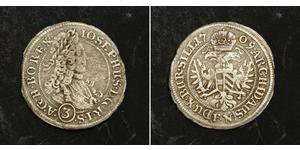
- Historical Context: Studying these pieces reveals the struggle between silver standards established by Vienna versus copper-based issues in rebel territories, offering insight into how war disrupted trade networks across Europe.
Possessing a token or medal from this era allows enthusiasts to hold tangible evidence of one of history's most poignant struggles for freedom. It invites contemplation on the relationship between political power and economic independence. Whether seeking silver thalers minted in Munkács or copper issues circulated among Kuruc forces, these items stand as enduring monuments to Rákóczi's unwavering commitment.


