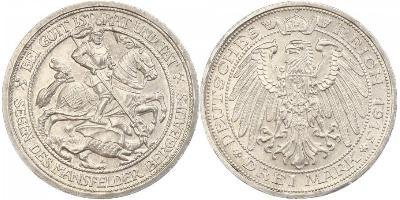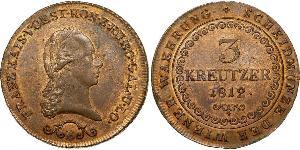
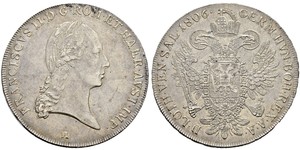
| Francis II, Holy Roman Emperor (1768 - 1835) | Link to Wikipedia |
Francis II and I (1768–1835): History and Coinage
Franz Joseph Francis, known historically as Francis II or Francis I of Austria, occupied a unique position within the annals of European monarchy. Born in Florence to Leopold II and Maria Louisa, he ascended to the throne at twenty-four following his father's sudden death. His reign is particularly fascinating for students of political history because it bridged two distinct imperial entities: the Holy Roman Empire until 1806 and the newly established Austrian Empire thereafter. As a sovereign who witnessed the rise and fall of Napoleon Bonaparte, Francis served as a central figure during the Napoleonic Wars. He ultimately presided over the restoration order at the Congress of Vienna in 1815, an event that reshaped political boundaries across Central Europe.
The Sovereign's Transition
To understand why coins depicting this emperor are historically significant, one must consider the fluid nature of his titles. In response to Napoleon crowning himself Emperor of the French in 1804, Francis assumed the title of hereditary Emperor of Austria within weeks, though he technically retained other imperial honours until political pressure and military necessity forced him to abdicate as Holy Roman Emperor later that year.
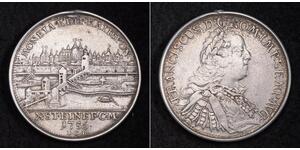
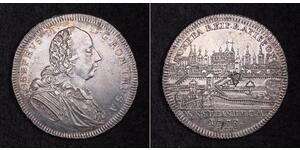
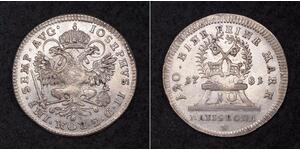
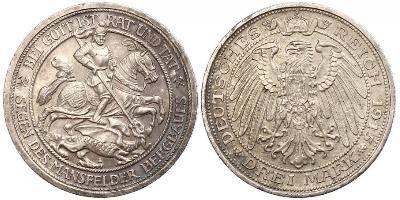
Coinage reflects this delicate legal transition. During his lifetime, coins issued under the Habsburg banner circulated across Germany, Hungary, Bohemia, and Austria proper. Early issues often bore traditional imperial symbols or effigies derived from earlier dynastic traditions established by Joseph II. Following 1804, designs began to emphasize the new Austrian identity while retaining stylistic elements of classical coinage that celebrated his restoration at Vienna after Napoleon's defeat in 1815. Later mintage during the early decades of the nineteenth century features portraits designed with a neoclassical touch intended to assert legitimate monarchical authority over restored territories.
Why Collectors Value These Coins
Numerous numismatists find value in these specific issues not only because of their artistic merit but also due to the heavy historical weight they carry. A single piece from this era can illustrate a complete geopolitical turnaround, moving from currency used under French threat or during coalition defeats before shifting to represent Austrian victory and continental stabilization. The portrait of Francis appears on both silver denominations such as thalers and gold pieces intended for high-value transactions within his realms.
Rarity plays a significant role in attracting collectors interested in the era's transition from feudal monarchy toward modern statehood. Because minting often shifted or altered design after major treaties like Campo Formio, finding early issues that predate 1804 alongside later restorations provides tangible evidence of empire building and reconstruction. These coins serve as durable artifacts for those wishing to understand how a monarch maintained power through war, abdication, and eventual diplomatic restoration.
Institutional collections often feature these pieces within specialized categories focusing on Holy Roman history or the Austrian Empire's founding period. For enthusiasts exploring this era of European numismatics, these specific issues offer insight into both aesthetic trends of late eighteenth-century metallurgy and the political survival strategies required to navigate a continent in crisis.