

| Francis II, Duke of Brittany (1433 – 1488) | Link to Wikipedia |
Francis II, Duke of Brittany (1433-1488): Storia e Monetazione
Gli appassionati di storia medievale riconoscono in Francesco d'Orléans, Duca di Bretagna, una figura cardine del XV secolo francese. Nascito nel 1433 e deceduto nel 1488, il suo regno fu definito da un conflitto costante per preservare l'autonomia della sua signoria contro le pretese espansioniste dei re francesi, in particolare Luigi XI. La Bretagna non era mai stata pienamente integrata alla Corona di Francia, mantenendo uno status giuridico quasi indipendente, simile a quello delle Fiandre o del Savoia.
Rapporto con la monetazione
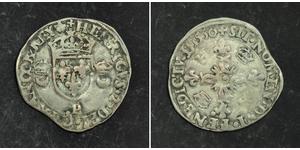
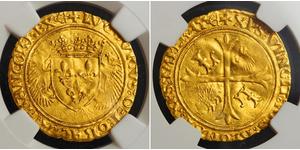
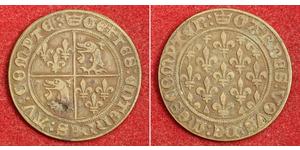
In un'epoca dominata dall'autorità centrale dei sovrani francesi, l'emissione moneta era il simbolo supremo della sovranità territoriale. Francesco II commissionò coni di Bretagna, noti come "Tournois" o denaro bretoni, spesso coniate nelle città signorie come Rennes e Vannes durante il suo regno (1458-1488). Le monete portano la sua effigie per attestare legalmente la resistenza politica contro l'annessione reale. Queste emissioni non erano comuni a tutti i territori francesi, ma rappresentavano un atto politico di sfida alle autorità centralizzate parisiene.
Tuttavia, dopo il trattato con Charles VIII nel 1486 e le successive annessioni territoriali durante la reggenza della sorella Anna di Francia (poi moglie del re Luigi XII), i diritti monetali passano gradualmente sotto controllo reale. Le monete raffiguranti Francesco II sono quindi emesse prevalentemente per commemorare il suo dominio politico autonomo prima che il Ducato fosse formalmente assorbito come provincia diretta.
Perché collezionisti apprezzano queste monete
I numismatici considerano le coniazioni di questo periodo preziose non solo per la loro rarità, legata alla breve durata dell'autonomia del Ducato nel 1480s. La qualità artistica riflette il passaggio dallo stile gotico finale verso i primi elementi rinascimentali francesi.
- Significato Storico:Ogni moneta è un pezzo di storia politica, testimoniando le lotte per la sovranità in Europa continentale del Quattrocento.
- Rarità Intrinseca:A differenza delle monete regie francesi comuni durante il XIV e XV secolo, i conii ducali locali hanno tirature limitate ai bacini commerciali regionali come la Bretagna e le Fiandre occupanti dalla Lega del Bene Comune.
- Vantaggio Educativo:L'analisi delle monete offre spunti su alleanze diplomatiche, ad esempio quando Francesco II offrì rifugio a Ludovico di Lancaster prima della loro invasione fallita dell'Inghilterra.
In conclusione, le monete del Duca sono oggetti che incarnano la resistenza locale. Per i collezionisti esperti e principianti, acquisire un tale pezzo significa possedere un frammento tangibile di una delle lotte politiche più lunghe e complesse dell'Europa medievale.


