

| Ferdinand de Lesseps (1805 – 1894) | Link to Wikipedia |
Ferdinand de Lesseps (1805-1894): History and Coinage
The name of Ferdinand Marie de Lesseps is synonymous with the geopolitical engineering marvel that reshaped global trade in the nineteenth century. Born into a distinguished diplomatic family, he served France during a tumultuous era between empires and republics. His most enduring legacy lies not merely as a diplomat or consul, but as the driving force behind the construction of the Suez Canal. By successfully connecting the Mediterranean to the Red Sea, Lesseps fundamentally altered maritime routes between Europe and Asia, reducing journey times by weeks and transforming Egypt into an international strategic hub.
Relationship to Coinage
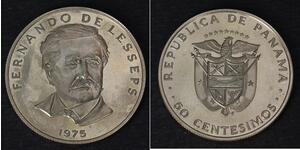
In a world where currency typically honored monarchs or revolutionary icons rather than civil engineers, de Lesseps' presence on coinage was distinct. While standard French sovereign circulation coins bore the effigy of Napoleon III during his rise and fall, it was official medals and commemorative tokens that carried his portrait most prominently.
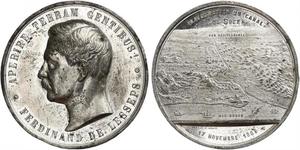
The primary era for these numismatic items coincides with the canal's inauguration in 1869. The Second Empire issued numerous high-relief medallions to celebrate this diplomatic triumph under Napoleon III, recognizing de Lesseps as a national hero who secured French colonial interests and prestige. Following his death in 1894 posthumous commemorative pieces appeared from the Third Republic and Egyptian authorities wishing to honor his architectural contributions.
These items were not everyday currency but rather official state-sanctioned objects issued for international diplomatic functions, opening ceremonies, and jubilees. The historical circumstances surrounding this coinage reflect a France proud of its technological dominance over nature during the industrial revolution era.
Why Collectors Value These Coins
Collections featuring these items are often sought by serious historians rather than casual bullion investors. Their value stems from their direct connection to one of history's most ambitious infrastructure projects before it became obsolete with modern aviation and sea-borne travel.
- Rarity and Historical Context: Because de Lesseps did not appear on mass-produced circulation money, surviving examples are rare. Collectors appreciate owning a tangible piece of the 1869 opening ceremony celebrations rather than standard currency pieces from that era.
- Ceremonial Importance: The medals often depict scenes of ships navigating the canal or de Lesseps alongside Egyptian Pashas, offering artistic insight into late nineteenth-century political alliances between Europe and North Africa.
- Narrative Significance: For students of economic history, these objects serve as educational tools. They illustrate how nations commemorate their own "canal builders" much like other cultures memorialized explorers or architects in bronze, preserving the memory of a project that connected continents forever.
In summary, while Ferdinand de Lesseps may be less common than royal portraits on standard banknotes, his commemorative medals offer unique access to personal history and imperial ambition. Collectors who seek these pieces engage with a narrative of innovation and the physical connection between sea routes that defined an age.


